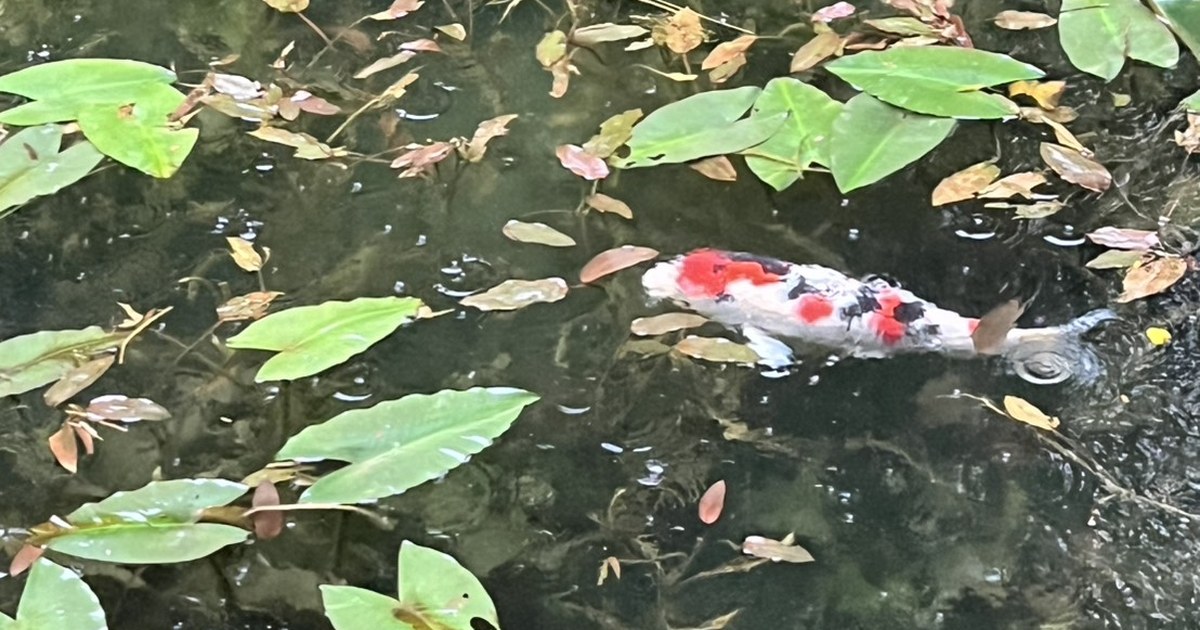
Monet’s Pond is one of those places that looks impossibly perfect online: clear water, koi drifting across it like brushstrokes, and water lilies resting on the surface. I traveled to Gifu to see whether it lives up to the photos. The short answer is that the pond itself did. What caught me off guard was everything around it, mainly how hard it is to reach by public transport, and how well it held up even though it rained the whole time I was there. This is the honest guide I wish I had read first.
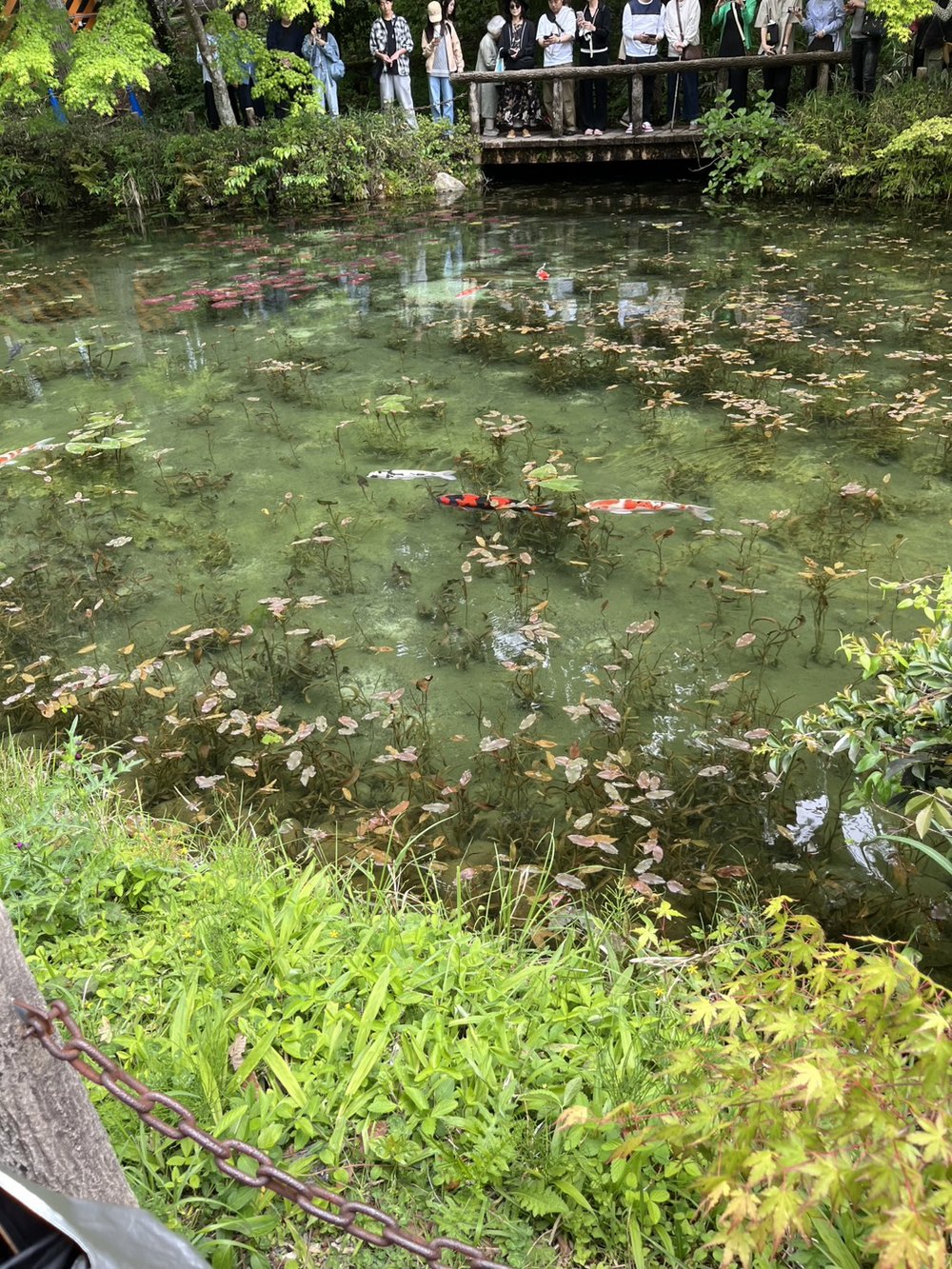
What Monet’s Pond actually is
The pond sits in the grounds of Nemichi Shrine in the Itadori area of Seki City, Gifu Prefecture. It has no official name, so locals simply call it the nameless pond, but it went viral online as Monet’s Pond because the clear water, koi and floating lilies look like the Water Lilies paintings by Claude Monet. It is spring fed, which is why the water stays so clear. One thing the photos never tell you: it is small. That matters when you plan your day.
Getting there is the real challenge
If you drive, this part is easy. There are around 160 free parking spaces, with a seasonal environmental cooperation fee of about 500 yen per car during the busy months.
By public transport it takes real planning. From JR Gifu Station, take the Gifu Bus Itadori line from bus stop 12 toward Horado Kiwi Plaza. That leg costs about 670 yen and takes roughly 1 hour and 10 minutes. From there you change to the local Itadori community bus and get off at the Monet’s Pond stop, a short 150 meter walk from the water.
Here is the catch, and it is a big one: the Gifu Bus Itadori line runs only about eight times a day, and the community bus connection is limited too. When I went, buses came just once every few hours. Miss one and you are stuck waiting a long time in a very quiet valley. Check the timetable before you leave, and plan your whole day around the return bus rather than the arrival. My honest advice: if you can drive or rent a car, do it. Public transport turns a 30 minute pond visit into a half day trip.
Visiting in the rain, honestly
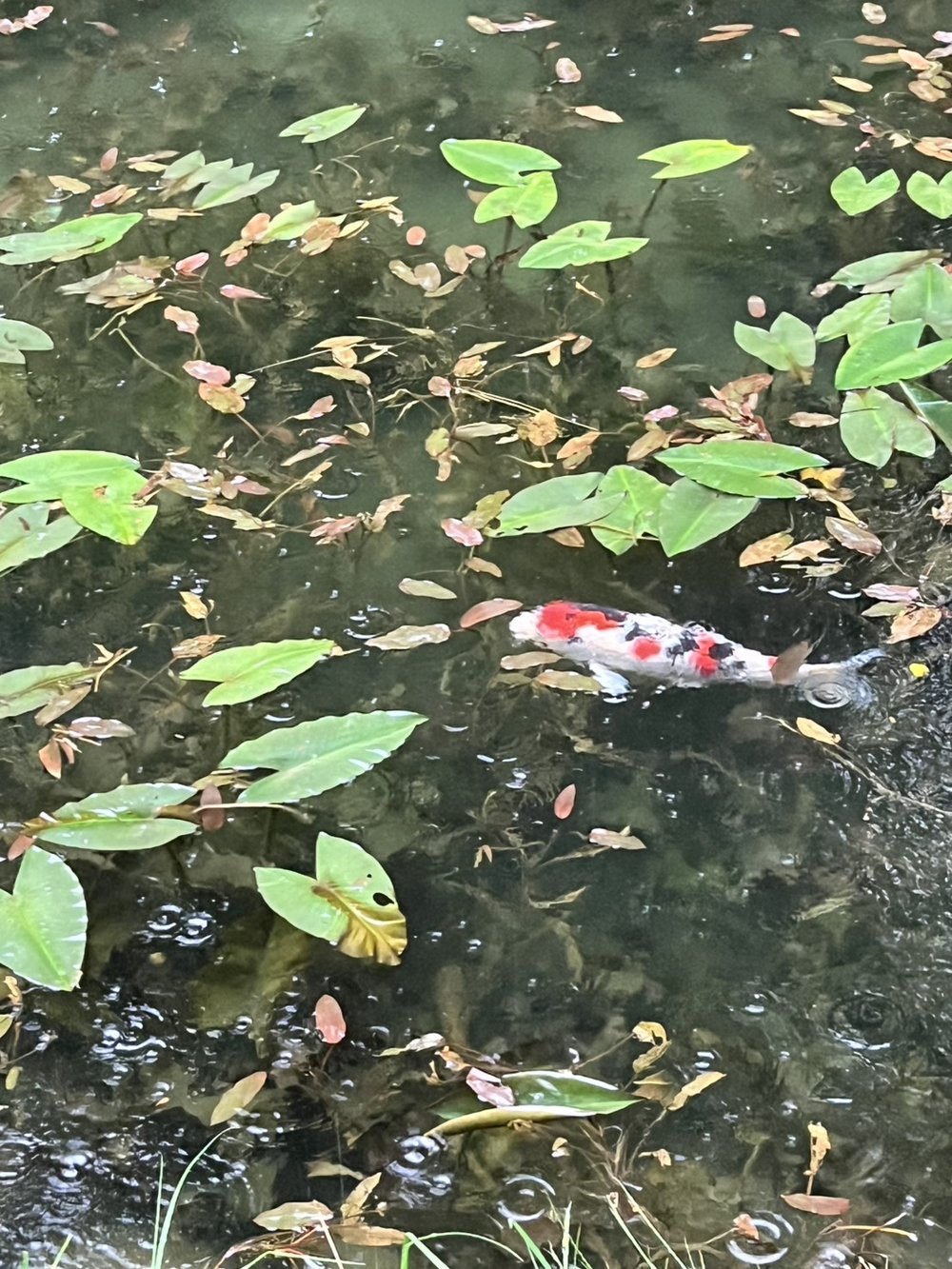
It rained the entire time I was there, and I still found it beautiful. The common warning is real: heavy rain, or the day right after a storm, can stir up mud and leaves and cloud the water. For the clearest water, a run of dry and calm sunny days is best.
But a bit of light rain was nowhere near the disaster I feared. The water was still clear enough to watch the koi, the greens looked deeper and richer, the surface had a soft texture to it, and there were far fewer people around. So if the only day you have is a rainy one, do not cancel. Just avoid going immediately after a big storm.
The best time to go
Water lilies float on the pond from late May to the middle of October, with the peak around June and July. Go in the morning if you can: the lilies open in the morning and close later in the day, the light is kinder, and the crowds are thinner. Calm, sunny mornings give you the clearest water of all.
Practical details
- Admission is free. It is shrine ground, open all year, with no ticket gate.
- Parking is around 160 free spaces, plus a seasonal cooperation fee of roughly 500 yen per car during the busy season from about May to November.
- The pond is small, so most visitors spend 20 to 40 minutes here. Pair it with another stop nearby so the long trip pays off.
- If you own a polarizing filter, bring it. It cuts the glare on the surface and makes the koi and lilies stand out.
Food nearby
Dining options out here are limited, so plan ahead. After standing in the rain we ducked into a small local okonomiyaki spot to warm up and dry off, which was a welcome break. Along the Itadori River you will also find restaurants serving grilled river fish such as ayu and amago, plus a few riverside cafes.
So, is it worth it?
Yes, with one condition: plan the transport. The pond really does look like a painting, and seeing it in person is worth the effort. But it is small and remote, so the day is as much about the journey as the pond itself. Go in the morning, check the bus times twice, and treat a rainy day as a bonus rather than a reason to stay home.
Planning a wider trip around the area? See our Gifu Prefecture travel guide for more places to pair with your visit.
PR
Plan This Trip With Fewer Last-Minute Costs
Hotel prices around Tokyo can change quickly. Compare stays early, then check the travel gear checklist before you pack.
How This Guide Was Reviewed
This article was reviewed on July 26, 2026 to reduce generic travel advice and make the page more useful before booking. Prices, opening rules, ticket windows, transport details, and affiliate availability can change, so verify official sources before final plans.
