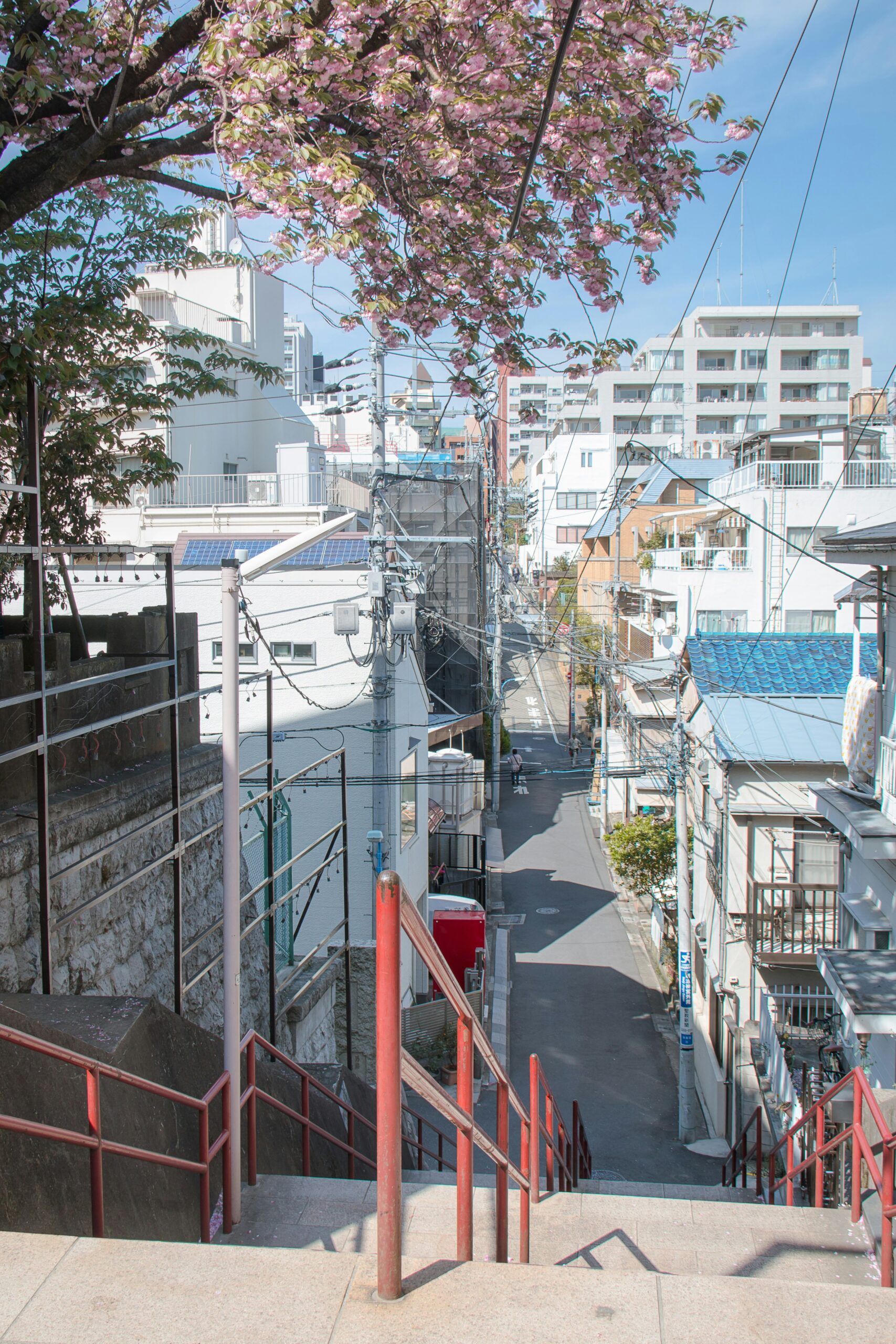
Having spent time in both Japan and the United States, I can say with confidence that these two countries are about as different as two developed nations can be. Here are 10 culture differences that genuinely surprised me.
- Noise levels
America is loud. Japan is quiet. This is perhaps the most immediately noticeable difference. American restaurants, streets, and public spaces are filled with noise — conversations, music, laughter. In Japan, people speak quietly in public, phone calls on trains are considered rude, and even busy streets feel calm compared to American cities.
- Tipping
In America, tipping is mandatory — 18–20% at restaurants, plus tips for taxis, hotel staff, and many other services. In Japan, tipping is not done at all. Leaving money on the table in Japan is considered rude — the price on the menu is the price you pay.
- Punctuality
Japan takes punctuality to an extreme that Americans find astonishing. Japanese trains are delayed by an average of less than one minute per trip. Being late to a meeting in Japan is a serious offense. American culture is more relaxed — a few minutes late is usually acceptable.
- Customer service
Japanese customer service (omotenashi) is in a different league. Staff bow, speak formally, wrap purchases carefully, and treat every customer interaction as significant. American service is friendly but casual — “How are you today?” is a greeting, not a question.
- Waste and cleanliness
Japan has almost no public trash cans, yet the streets are immaculate — people carry their trash home. America has trash cans everywhere and still has litter problems. The difference in public cleanliness between Japanese and American cities is striking.
- Food culture
Americans eat on the go, eat while walking, and often eat in their cars. In Japan, eating while walking is considered rude. Food is treated as an experience to be focused on, not a background activity.
- Personal space
Americans are physically demonstrative — hugs, backslaps, and handshakes are common even with new acquaintances. Japanese people maintain more physical distance and rarely touch in public. Bowing replaces handshakes.
- Work culture
American work culture celebrates hustle and individual achievement. Japanese work culture emphasizes group harmony, seniority, and dedication to the company. Japanese workers often stay late not because they have work to do, but because leaving before the boss is considered disrespectful.
- Directness
Americans are relatively direct — they say what they mean and ask for what they want. Japanese communication is more indirect — saying “no” directly is considered impolite, so disagreement is often expressed through subtle signals that Westerners can miss entirely.
- Nature of public space
In America, public spaces feel owned by nobody. In Japan, they feel owned by everybody — which means everyone takes responsibility for keeping them clean and orderly. This difference in collective ownership explains a lot about why Japanese cities function the way they do.
