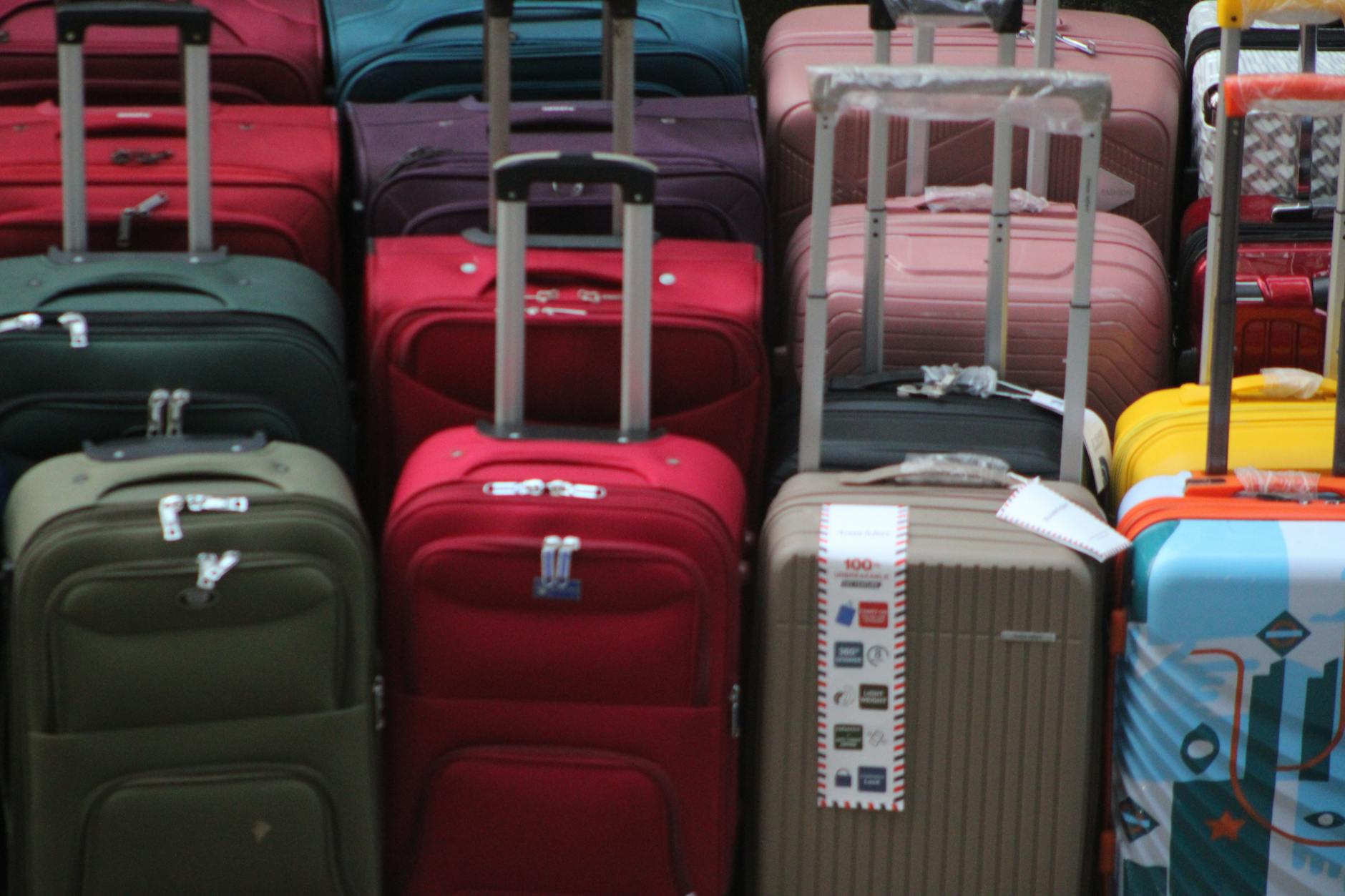
Packing for Japan requires a bit of thought. Japan is one of the safest and most convenient countries in the world, but it has its quirks — cash culture, small hotel rooms, strict rules about shoes, and weather that can shift dramatically between regions and seasons. Here is a practical packing list built around how Japan actually works.
Documents and Money
Your passport is required at hotel check-in and for IC card registration. Carry a photocopy separately. Cash is still essential in Japan — many restaurants, temples, and smaller shops do not accept cards. Withdraw yen from 7-Eleven ATMs, which accept international cards reliably. A travel card with no foreign transaction fees works at larger stores and convenience store chains. The Visit Japan Web app can store your customs declaration and speed up arrival.
Clothing
Pack for layers. Japan has distinct seasons and temperatures can vary significantly between Tokyo and Kyoto in spring, or between the mountains and the coast at any time. Comfortable walking shoes are essential — you will easily cover 15,000 to 20,000 steps per day. Bring a pair of easy-to-remove shoes since you will take them off frequently at temples, traditional restaurants, and ryokan. Slip-on sneakers work well. A lightweight rain jacket is worth the space for any season.
Electronics
Japan uses Type A plugs with 100V electricity — the same plug shape as North America and compatible with most modern devices. A portable battery bank is extremely useful for long days of sightseeing with maps running. Download Google Maps offline for the areas you are visiting. A pocket Wi-Fi rental or a Japanese SIM card keeps you connected throughout your trip and can be collected at the airport.
Toiletries
Japan has excellent pharmacies and convenience stores that sell virtually every toiletry you might forget. Sunscreen is widely available but note that Japanese sunscreens are formulated for a different standard than Western products. If you have specific skincare needs, bring your own. A small travel towel is useful for onsen visits and day hikes. Dry shampoo and a compact umbrella are both worth including.
Medications
Japan restricts certain medications that are common in other countries. Some allergy medications, stimulants, and pain relievers require advance approval before bringing them into Japan. Check the Ministry of Health website or contact the Japanese embassy before travel if you take any regular prescription medication. Japanese pharmacies are excellent for minor issues and staff are often surprisingly helpful even with limited language.
Japan-Specific Essentials
- A small day bag or tote for daily outings — most sightseeing requires hand-carrying your belongings
- Business cards if you are meeting anyone professionally — always receive them with both hands
- A reusable bag for shopping — plastic bags often cost extra at stores
- Comfortable socks without holes — you will be removing your shoes often
- A handkerchief or small towel — many public restrooms do not have hand dryers or paper towels
What Not to Bring
- A large suitcase if possible — subway stairs and small hotel rooms make oversized luggage difficult
- Deodorant spray cans — certain aerosol products are restricted on Japanese trains and public transport
- Anything with cannabis or hemp, even legal CBD products — zero tolerance applies
- Drone without advance permits — strict regulations apply in cities and near historic sites
Japan is an easy country to travel — infrastructure is excellent, safety is exceptional, and locals are helpful even through language barriers. Pack light, bring cash, and leave room for everything you will want to bring home.
Plan Your Japan Trip
Ready to visit Japan? Find and book hotels across Japan — from budget guesthouses to luxury ryokan.
