Japan rewards travelers who pay attention to the small things. The country runs on an invisible code of courtesy, and while locals are famously forgiving of foreigners, understanding the rules helps you blend in, avoid awkward stares, and show genuine respect. After years of guiding first-time visitors, I’ve watched the same honest mistakes happen again and again. Here are the 12 most common etiquette faux pas in 2026 — and exactly how to avoid them.
On the Train: Quiet, Order, and Respect
Japanese public transport is a masterclass in collective consideration. Tens of millions of people share these spaces daily, and a few unwritten rules keep everything calm and efficient.
1. Talking Loudly or Taking Phone Calls
The number one mistake. Trains are remarkably quiet, even when packed. Phone calls are considered rude, and you’ll often see signs asking passengers to switch phones to silent (manner mode). Keep conversations low and save calls for the platform.
2. Ignoring the Boarding Lines
Look down at the platform and you’ll see painted markings showing exactly where doors open and where to queue. Cutting ahead or crowding the doors before passengers exit is a clear faux pas. Let people off first, then board in order.
3. Eating Strong-Smelling Food
Snacking on local trains is generally frowned upon, though it’s acceptable on long-distance shinkansen (bullet trains) where ekiben bento boxes are a beloved tradition. On a crowded commuter line, however, unwrapping a pungent meal will earn you silent disapproval.
4. Wearing a Backpack on Your Back
In crowded carriages, swing your backpack to your front or place it on the overhead rack. A bulky bag on your back bumps people and takes up space others need.
At Temples and Shrines: Sacred Spaces, Simple Rules
Japan’s temples (Buddhist) and shrines (Shinto) are active places of worship, not just photo stops. A little awareness goes a long way.
5. Skipping the Purification Ritual
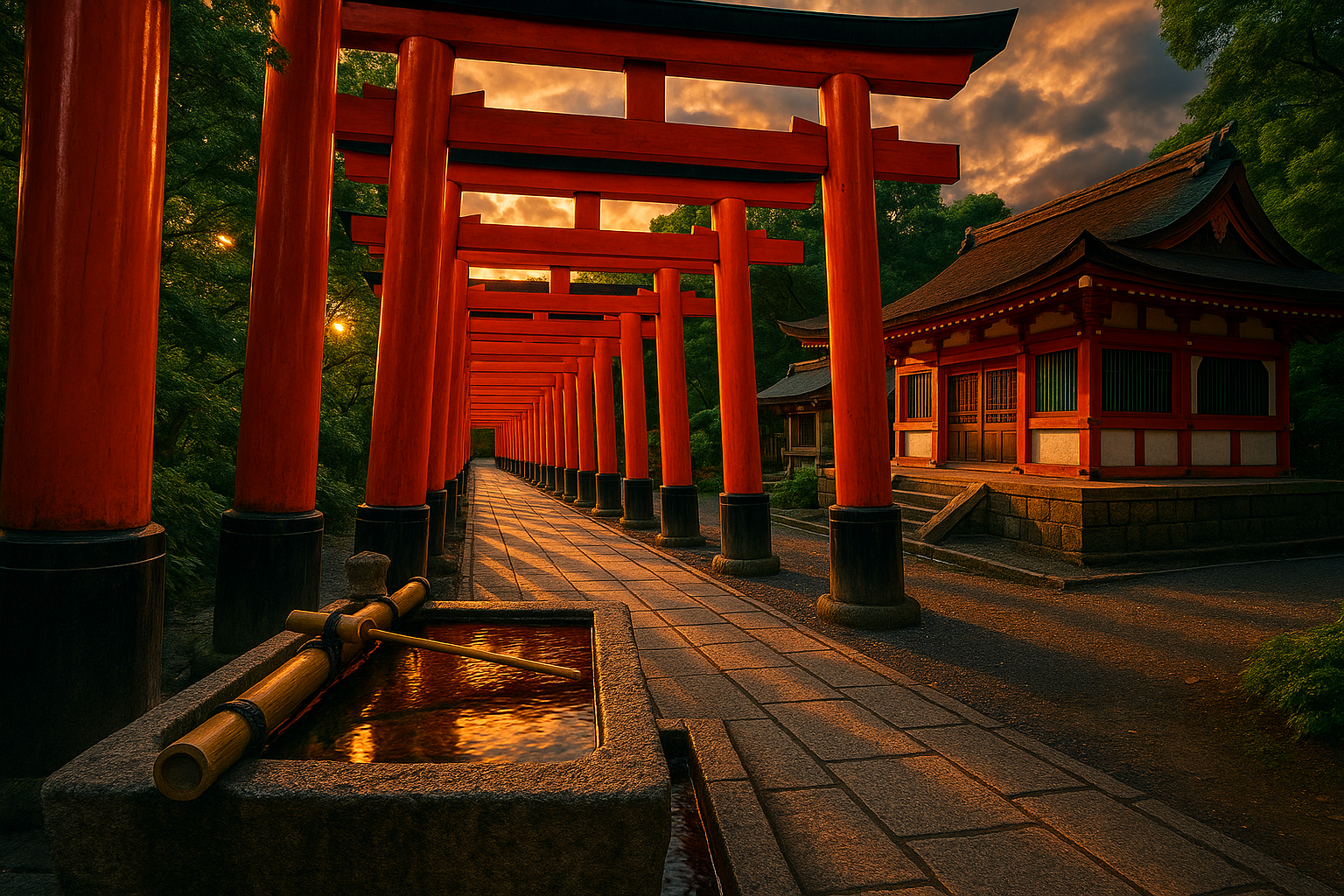
At the entrance of most shrines you’ll find a water basin (temizuya). Use the ladle to rinse your left hand, then right, then pour a little into your cupped hand to rinse your mouth — never drink directly from the ladle. Finish by tipping the ladle upright to rinse the handle.
6. Walking Through the Center of a Torii Gate
The center of the path is reserved for the deities. Walk slightly to the left or right when passing under a torii gate or along the main approach. Many visitors don’t realize this, and it’s a subtle but meaningful sign of respect.
7. Taking Photos Where Prohibited
Many inner halls and statues are off-limits to cameras. Watch for signage (often a crossed-out camera icon) and never use flash near delicate artwork. When in doubt, put the camera away.
8. Forgetting to Remove Your Shoes
When entering temple buildings, traditional inns, or anywhere with raised wooden flooring or tatami mats, shoes come off. Look for a row of slippers or a shelf at the threshold. Step out of your shoes and onto the floor without letting your socks touch the dirty entryway.
At Meals: Dining Like a Local
Japanese dining etiquette is elegant and intuitive once you learn the basics. These chopstick and table manners matter most.
9. Sticking Chopsticks Upright in Rice
This is one of the gravest mistakes. Chopsticks standing vertically in a bowl of rice resemble incense offered at funerals — a strong symbol of death. Rest your chopsticks across the bowl or on the provided holder (hashioki) instead.
10. Passing Food Chopstick-to-Chopstick
Never pass food directly from your chopsticks to someone else’s. This also mirrors a funeral ritual involving cremated bones. If you want to share, place the food on a plate and let the other person take it.
11. Tipping
Tipping is not part of Japanese culture and can cause genuine confusion or even offense. Excellent service is standard and already included. If you leave cash on the table, staff may chase you down to return it. A sincere “gochisousama deshita” (thank you for the meal) is the perfect way to express gratitude.
12. Mishandling Soy Sauce and Wasabi
Drowning your sushi in soy sauce is a common slip. Dip the fish side lightly — never the rice, which falls apart and absorbs too much salt. And don’t stir wasabi into your soy sauce dish; in proper sushi etiquette, the chef has already seasoned each piece.
Bonus Tips to Travel With Confidence
- Carry cash. Despite digital growth, many small restaurants, shrines, and rural shops remain cash-only.
- Bow slightly. A small nod of the head is the universal gesture of thanks and greeting.
- Keep your voice down indoors. Quiet is the cultural default in restaurants, hotels, and public buildings.
- Don’t blow your nose at the table. Step away discreetly if needed.
- Use both hands when giving or receiving business cards, money, or gifts.
Why It Matters in 2026
With tourism in Japan reaching record numbers, locals are more aware than ever of visitor behavior in busy hotspots like Kyoto, Tokyo, and Osaka. Some districts have introduced new signage and even fines for disruptive conduct. Traveling thoughtfully isn’t just polite — it ensures these incredible places stay welcoming for everyone. Master these dozen rules and you’ll move through Japan smoothly, earning warm smiles instead of puzzled glances.
Plan Your Trip
Find the best hotel deals:
- Booking.com — Compare thousands of hotels worldwide
- Rakuten Travel — Great rates on hotels in Japan
How This Guide Was Reviewed
This article was reviewed on July 26, 2026 to reduce generic travel advice and make the page more useful before booking. Prices, opening rules, ticket windows, transport details, and affiliate availability can change, so verify official sources before final plans.
