Miyajima is famous for one image: a vermilion torii gate standing in the sea in front of Itsukushima Shrine. What most first-time visitors do not realize until they arrive is that the whole scene depends on the tide, and the island has one strict rule that trips up anyone who has already been to Nara. Here is the honest, practical guide to getting the timing, the costs, and the deer rule right.
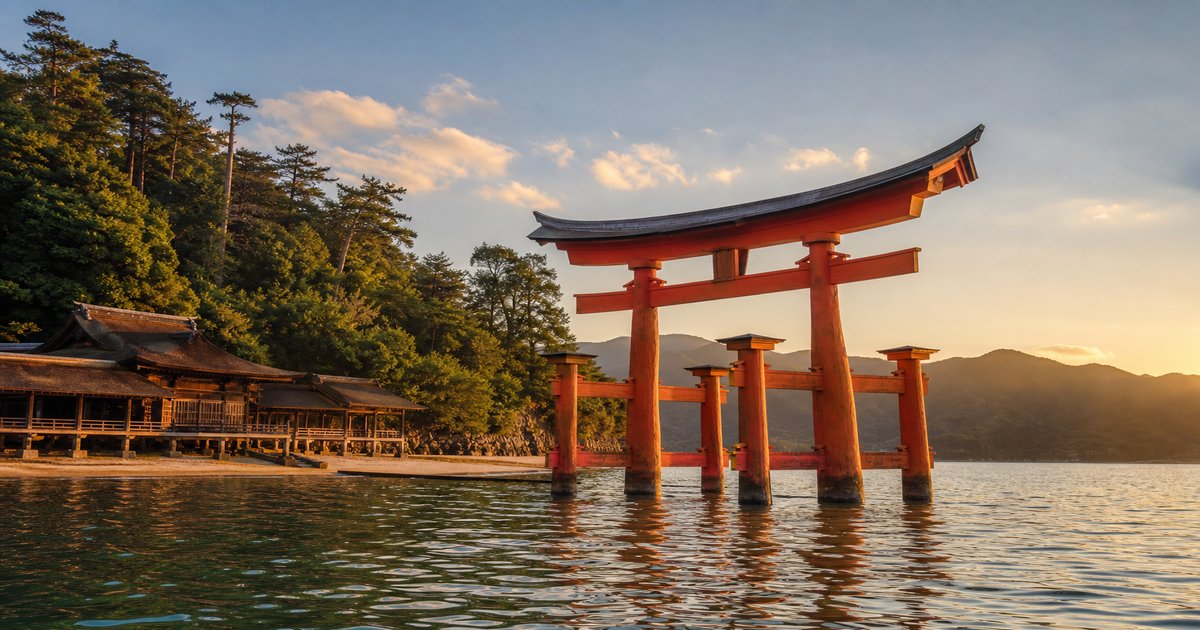
The floating torii gate depends entirely on the tide
The gate only looks like it is floating at high tide, when the water rises around its base and the shrine buildings behind it appear to sit on the sea. At low tide, the water pulls back completely and you can walk out across the sand to touch the base of the gate itself, which is a completely different experience and just as popular with visitors. Neither tide is objectively better, they are simply two different photographs, so the real planning task is deciding which one you want and checking a tide table for Miyajima before you go, since the tide time shifts by roughly an hour every day. If you only have a few hours on the island, build your visit around the tide schedule rather than the clock.
Getting there: the ferry and the visitor tax
Miyajima is reached by a short ferry ride of about ten minutes from Miyajimaguchi, on the mainland side near Hiroshima. Two companies run the crossing, the JR West Miyajima Ferry and the Miyajima Matsudai ferry, and both charge the same base fare of 160 yen one way or 320 yen round trip for an adult. The JR ferry is covered by the Japan Rail Pass, so if you are already holding one, that crossing is effectively free. On top of the ferry fare, every visitor also pays a separate Miyajima Visitor Tax of 100 yen, in effect since October 2023 and added automatically at the ticket counter or gate. If you want the closest possible view of the gate from the water, look for the Great Torii route sailing, which passes nearer to the gate than the standard crossing before docking at the pier.
Itsukushima Shrine: cost and hours
Entry into the shrine itself, which lets you walk the raised wooden walkways directly above the water, costs 300 yen for an adult. Opening hours shift with the season, generally opening around 6:30 in the morning and closing somewhere between 5 and 6 in the evening, so check the current hours for your travel month rather than assuming a fixed schedule. Arriving right at opening time is the single best way to see the shrine and the gate without a crowd of tour groups, since Miyajima is a popular day trip destination and fills up steadily through the late morning.
Mount Misen ropeway: is it worth the ride
Behind the shrine, Mount Misen rises over the island and can be reached on foot or by a two stage ropeway ride that takes about 14 minutes combined. A round trip adult ticket costs 1,840 yen, or 1,010 yen one way, with children roughly half price. The ropeway does not run all the way to the summit, so from the upper station it is still a walk of around 30 minutes to reach the actual peak and its observation views over the Seto Inland Sea. One practical detail worth knowing: the ropeway occasionally pauses for scheduled maintenance and also requires advance reservations on specific high demand days during peak season, so it is worth checking the official status page for the exact day you plan to go rather than assuming it will simply be running.
The deer rule everyone gets wrong (unlike Nara)
If you have already visited Nara, where feeding the deer with special crackers is part of the experience, it is easy to assume the same applies on Miyajima. It does not. Feeding the deer is prohibited across the entire island, a rule put in place after years of deer becoming sick from human food and snack wrappers. The deer here still wander freely around the ferry pier, the shopping street and the shrine grounds, and they will happily investigate anything in your hands or an open bag, so the practical advice is simply to keep food out of sight and admire them without offering anything, which is exactly the opposite instinct that Nara trains into visitors.
Practical tips
- Check a Miyajima tide table before you travel and pick your visit time around whether you want the floating gate look or the walk-out-to-the-base look.
- Bring cash in small denominations. The ferry, the visitor tax and some shrine and ropeway ticket windows are not all guaranteed to take cards.
- Do not feed or touch the deer anywhere on the island, even if they approach you directly.
- Pair the shrine visit with the free Daisho-in Temple nearby and the Omotesando shopping street for food, so the short ferry ride pays off with a full half day.
- Arrive early. Miyajima is a well known day trip from Hiroshima, and the paths around the shrine and the ferry pier get genuinely crowded by mid morning.
So, is it worth it?
Completely, and the tide is the detail that makes or breaks the visit. Time your ferry around a tide table, budget a little over 2,000 yen per person for the ferry, the visitor tax and the shrine entry, decide whether the ropeway and Mount Misen fit your schedule, and remember the one rule that catches out anyone arriving fresh from Nara: on Miyajima, the deer are just as friendly, but they are not for feeding.
PR
Plan This Trip With Fewer Last-Minute Costs
Hotel prices around Hiroshima can change quickly. Compare stays early, then check the travel gear checklist before you pack.
How This Guide Was Reviewed
This article was reviewed on July 26, 2026 to reduce generic travel advice and make the page more useful before booking. Prices, opening rules, ticket windows, transport details, and affiliate availability can change, so verify official sources before final plans.
