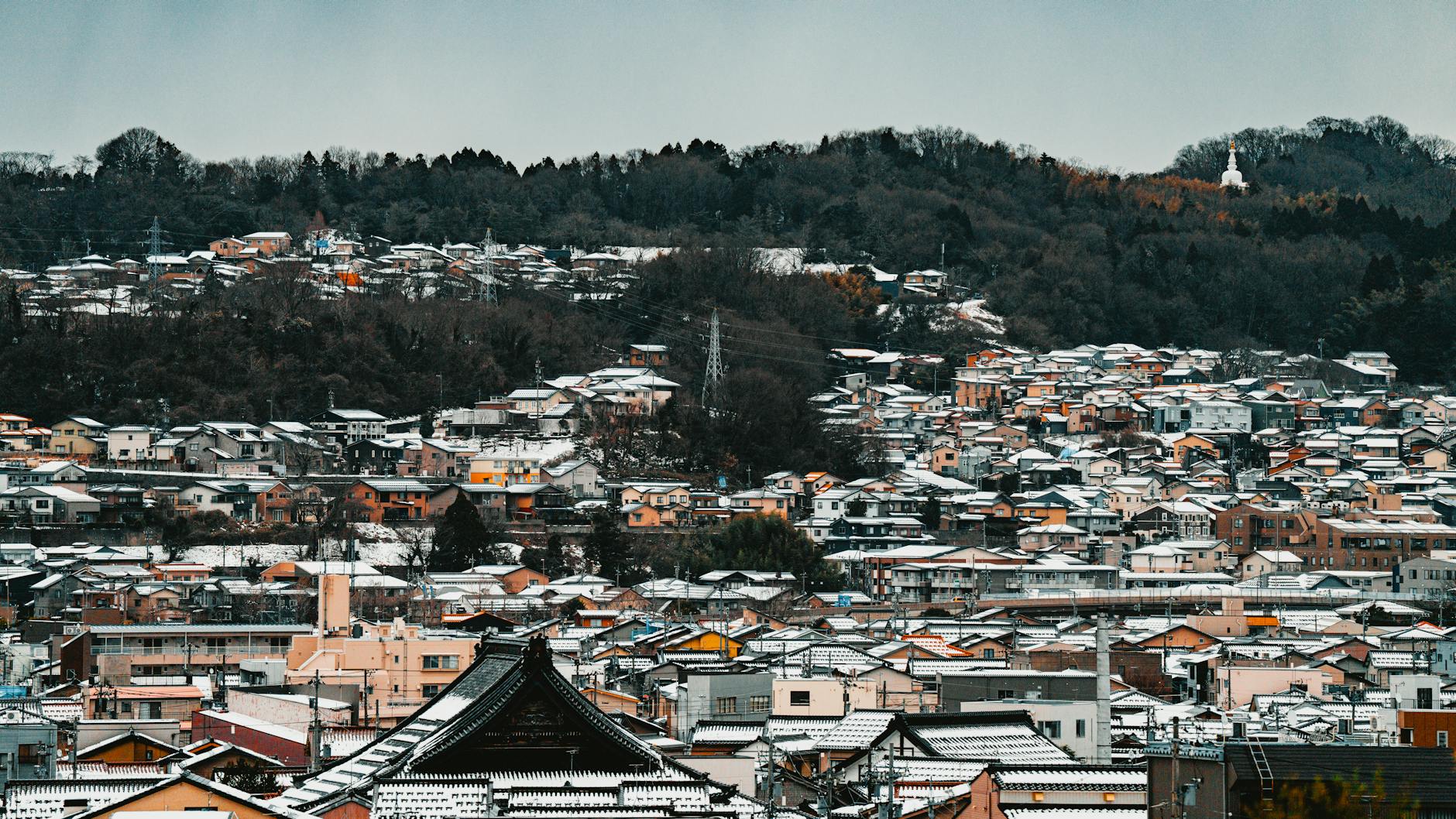
Winter in Japan offers experiences unavailable in any other season, from snow-covered temple gardens to illuminated light festivals to world-class skiing within easy reach of major cities. The cold months from December through February bring their own particular beauty to Japan’s landscapes and create opportunities for cultural and outdoor experiences that make winter an underrated season for travel.
Winter Illuminations
Japanese cities produce some of the world’s finest winter illumination displays from November through February. Nabana no Sato in Mie Prefecture is considered one of Japan’s greatest light festivals, covering vast outdoor grounds in LED displays that create tunnels and panoramas of extraordinary scale. Caretta Shiodome in Tokyo, the Midosuji Boulevard in Osaka, and Roppongi Hills in Tokyo are among dozens of urban locations that install elaborate seasonal light displays that draw enormous crowds on winter evenings.
Skiing and Snow Activities
Japan has some of the finest powder snow skiing in the world, with Hokkaido’s Niseko area achieving international fame for the quality of its champagne powder and the variety of its ski terrain. The Tohoku region, the Japanese Alps of Nagano and Niigata Prefectures, and Hokkaido all offer world-class winter sports facilities within comfortable train or bus distance of major cities. Hakuba in Nagano, which hosted alpine events during the 1998 Nagano Olympics, is accessible in about three hours from Tokyo and offers extensive terrain for all ability levels.
Onsen in Winter
The combination of cold outdoor temperatures and steaming natural hot spring water makes winter the most atmospheric season to visit Japan’s onsen resorts. Soaking in an outdoor rotenburo bath as snow falls around you is one of those experiences that exists almost nowhere else on earth. Destinations including Zao Onsen in Yamagata, Noboribetsu in Hokkaido, and Kusatsu in Gunma combine excellent skiing or winter hiking with superb onsen facilities.
New Year in Japan
The Japanese New Year, Oshogatsu, is celebrated during the first three days of January with hatsumode, the first shrine or temple visit of the year. Major shrines including Meiji Shrine in Tokyo receive millions of visitors during the first three days of January. The atmosphere at midnight on December 31st at major Buddhist temples, where the temple bell is struck 108 times to welcome the new year, is deeply atmospheric and accessible to all visitors who join the gathered crowds.
Winter Food and Drink
Japanese winter cuisine is genuinely comforting and worth seeking out specifically. Nabe hot pot, a bubbling communal pot of dashi broth into which vegetables, tofu, and meat are added and cooked at the table, is the archetypal winter dish. Various regional nabe styles exist throughout the country. Hot sake and amazake sweet rice drink provide warming options in cold temple towns. Oden, a convenience store staple of slow-simmered winter ingredients including daikon radish, eggs, and fish cakes in broth, is available hot at virtually every convenience store register from October through March.
Plan Your Japan Trip
Ready to visit Japan? Find and book hotels across Japan — from budget guesthouses to luxury ryokan.
