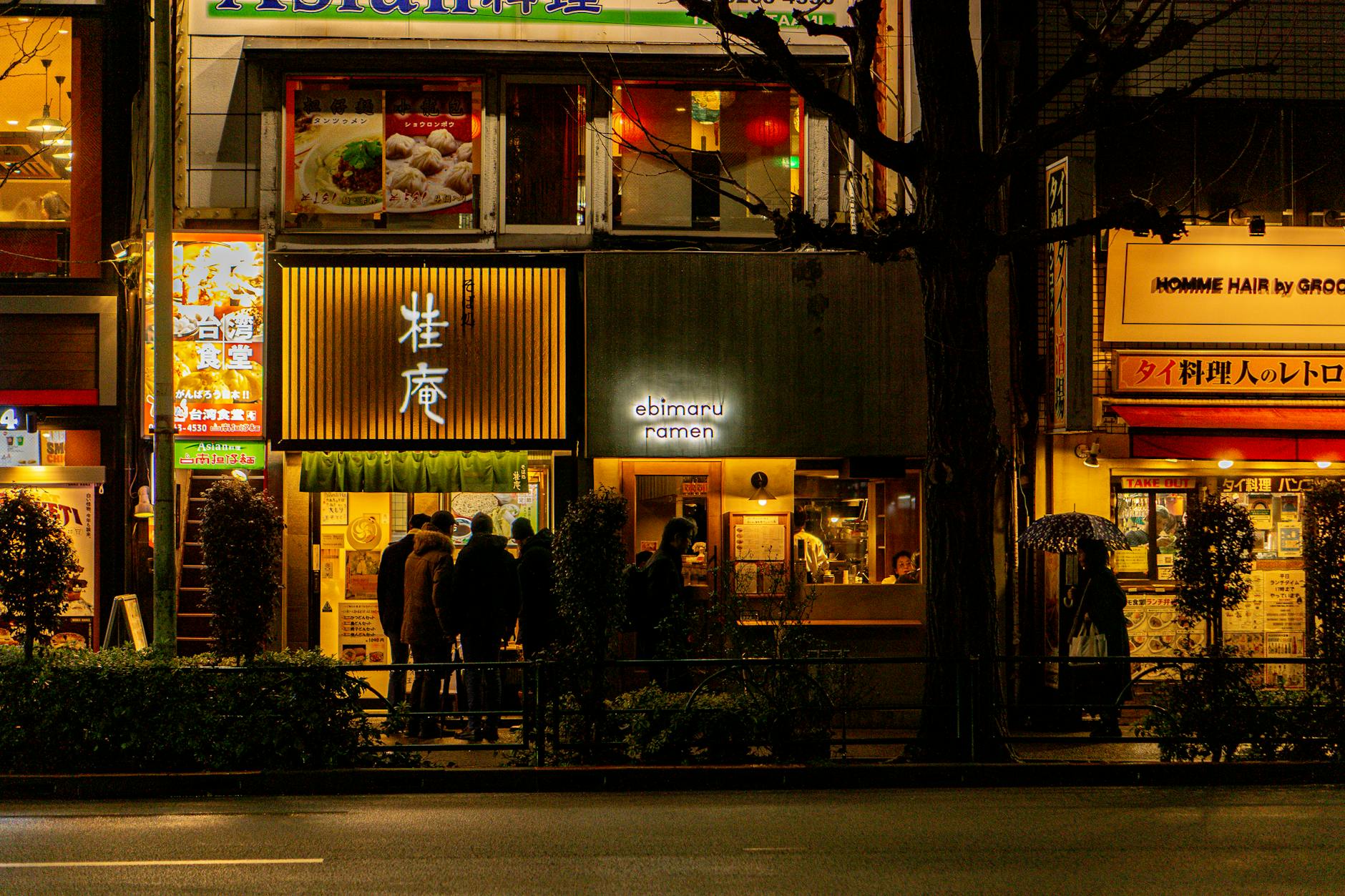
Finding restaurants where language barriers do not impede enjoying excellent food is one of the practical challenges that first-time visitors to Japan face, but the situation is significantly better than many people expect and continuing to improve. With a few strategies and tools, navigating Japan’s restaurant scene as a non-Japanese speaker becomes straightforward and even opens up more options than sticking only to obviously tourist-facing establishments.
Google Maps and Translation Apps
Google Maps has become the most reliable tool for restaurant discovery in Japan. The app now lists the vast majority of Japanese restaurants with reviews in multiple languages, photos of food and menus, and information about whether English is spoken or menus are available. Google Translate’s camera function allows you to point your phone at any Japanese menu and receive an instant translation of the text, making it possible to order from any restaurant regardless of the language of the menu. The quality of these translations has improved dramatically and is now sufficient for basic understanding of most menu items.
Picture Menus and Plastic Food Displays
Many Japanese restaurants, particularly those serving Japanese cuisine, address the language barrier proactively with picture menus showing photographs of each dish alongside the Japanese text. Look for the word tabletop menus with photos when choosing a restaurant, or check the window of restaurants for the plastic food displays called shokuhin sampuru that are a uniquely Japanese institution. These displays show exact replicas of the dishes available inside and allow you to identify what you want before entering.
Useful Apps for Japan Restaurant Navigation
Tabelog is Japan’s equivalent of Yelp and contains the most comprehensive database of Japanese restaurants with real user reviews. While the interface is primarily in Japanese, the Google Translate approach makes it navigable. Yelp Japan has a smaller database but more English-language reviews. HappyCow is the standard app for finding vegetarian and vegan options. For high-end restaurant bookings, Tableall and Omakase specialize in making reservations at premium Japanese restaurants that may otherwise be inaccessible to non-Japanese speakers.
Ticket Vending Machine Restaurants
Many casual Japanese restaurants, particularly ramen shops, gyudon beef bowl chains, and tonkatsu restaurants, use ticket vending machines at the entrance where customers purchase meal tickets before being seated. While these machines are primarily in Japanese, pressing the buttons with photos of food items or with obvious characters works effectively. The machine dispenses a ticket you hand to staff when seated. This system actually removes the need for verbal ordering entirely, making it paradoxically one of the easier restaurant formats for non-Japanese speakers.
Food Allergy Communication
Communicating food allergies in Japan requires preparation. Carrying a written card in Japanese explaining your specific allergies is the most reliable approach, as verbal communication of complex dietary requirements across a language barrier can result in misunderstandings. Several websites offer free printable allergy cards in Japanese that cover the most common allergies. Note that many Japanese dishes contain hidden soy, sesame, or shellfish ingredients that may not be apparent from the dish name alone.
The combination of Google Maps for discovery, Google Translate for menus, and picture menus eliminates most of the practical difficulty of eating in Japan without Japanese language skills. Embrace the occasional uncertainty and be willing to point at a neighbor’s dish to order what looks good, and the restaurant experience in Japan quickly becomes one of the most rewarding aspects of any visit.
Plan Your Japan Trip
Ready to visit Japan? Find and book hotels across Japan — from budget guesthouses to luxury ryokan.
