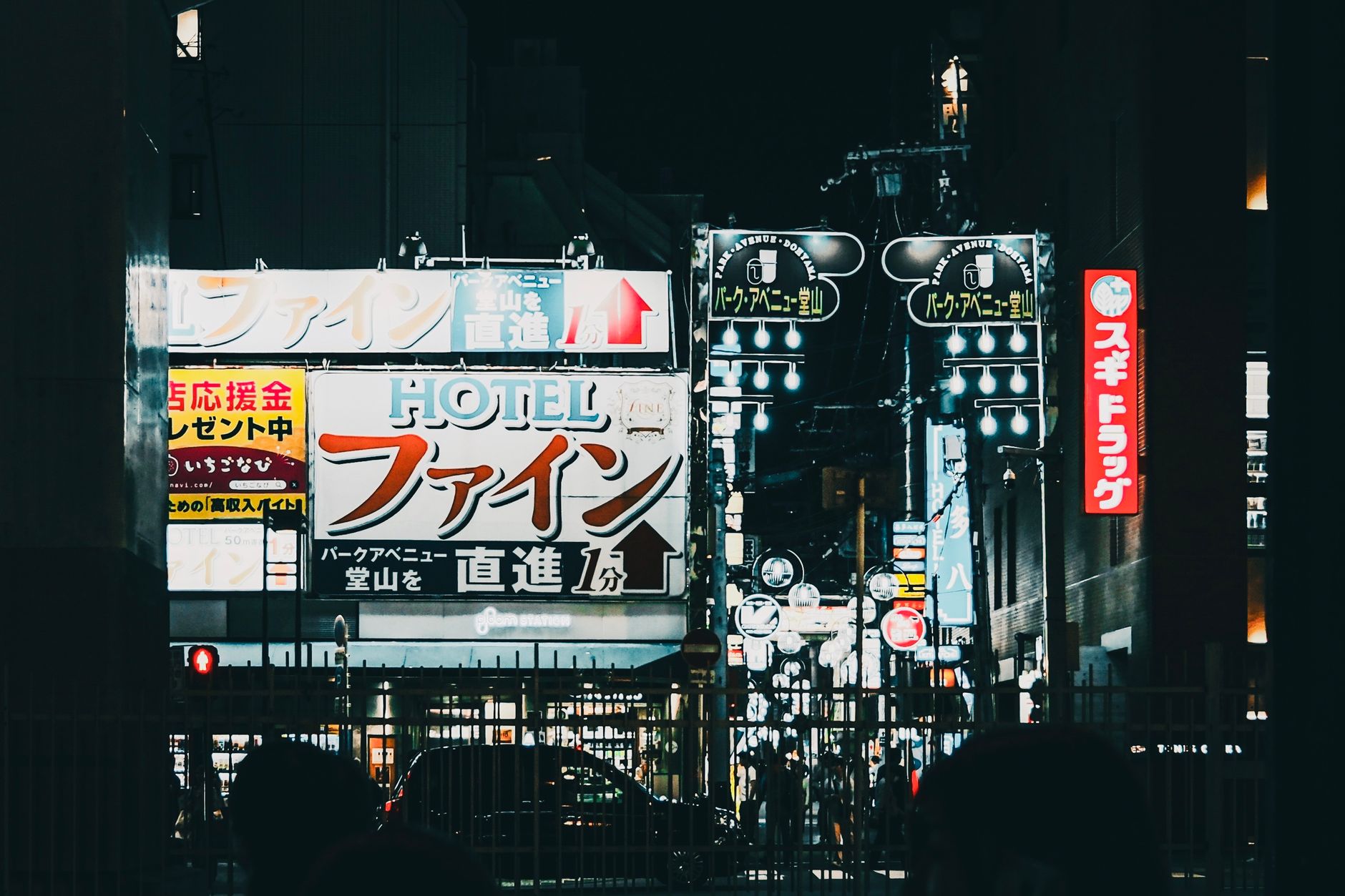
Japan is a country where making even a minimal effort to speak the local language is met with genuine appreciation and often produces noticeably warmer interactions with local people. You do not need to be fluent or even functional in Japanese to benefit from knowing a handful of phrases. The following ten expressions will serve you well across virtually every situation you encounter as a tourist in Japan.
Sumimasen – Excuse Me / I’m Sorry
Sumimasen is the single most useful word in Japanese for tourists. It works as both an excuse me to get someone’s attention and as a mild apology when you bump into someone or interrupt a conversation. Use it before asking for help, when trying to flag down a restaurant server, and when entering a shop where staff are busy with another customer. Pronounce it approximately as soo-mee-mah-sen.
Arigatou Gozaimasu – Thank You Very Much
The formal thank you that should be your default expression of gratitude in any service interaction. The casual arigatou is used between friends but sounds abrupt to strangers. Arigatou gozaimasu works in every situation from receiving your restaurant bill to being helped by a kind stranger on the street. The shortened gozaimasu is simply the formal ending that upgrades the expression from casual to polite.
Kore wa ikura desu ka – How Much Is This
Essential for market shopping and situations without price tags. Point at the item in question while saying this phrase and you will receive the price. In practice, many vendors will simply show you a calculator or hold up fingers for the number, but asking in Japanese first smooths the interaction considerably.
Eigo ga hanasemasu ka – Do You Speak English
Rather than launching immediately into English with someone who may not understand, asking this question first is both polite and practical. It sets expectations appropriately and often prompts the other person to either call a colleague who does speak English or produce a translation device.
Doko desu ka – Where Is It
Combined with the name of your destination, this phrase makes asking for directions straightforward. Kyoto eki wa doko desu ka means where is Kyoto Station. Most people will respond by pointing, which is universally comprehensible regardless of the verbal explanation that follows.
Menyu wo misete kudasai – Please Show Me the Menu
Useful at restaurants that keep menus off tables until requested or when you want a picture menu rather than text only. Many Japanese restaurants have plastic food displays outside or photo menus available inside that you can point to when ordering.
Osusume wa nan desu ka – What Do You Recommend
Restaurant staff almost universally have a clear answer to this question and will point to or name their most popular dish. Following the recommendation usually results in ordering something that represents the restaurant at its best.
Toire wa doko desu ka – Where Is the Toilet
Japan has the finest public toilets in the world, but finding them requires asking occasionally. This question will be understood everywhere and produces immediate, helpful responses.
Muzukashii desu – That’s Difficult / I Can’t Do That
A polite way to decline something without a direct refusal, which Japanese communication style generally avoids. If asked to do something you cannot manage, this phrase softens the response appropriately.
Itadakimasu and Gochisousama
These two expressions bracket every meal: itadakimasu said before eating expresses gratitude for the food, and gochisousama deshita said after finishing thanks the host or restaurant for the meal. Using both at appropriate moments marks you as someone who has made a genuine effort to understand Japanese culture and produces genuinely warm reactions from local people.
Learning even these ten phrases before arriving in Japan requires just a few hours with a pronunciation guide app and pays dividends in smoother interactions and more genuine connection with the people you meet throughout your trip.
Plan Your Japan Trip
Ready to visit Japan? Find and book hotels across Japan — from budget guesthouses to luxury ryokan.
