Japan has a reputation for strict social etiquette that can seem intimidating to first-time visitors, but the reality is far more forgiving than the reputation suggests. Japanese people are genuinely understanding toward foreign visitors who make honest mistakes, and the simple act of making an effort to follow local customs is appreciated and noticed. Still, knowing the basic rules before you arrive allows you to relax and enjoy your trip without the anxiety of accidentally causing offense.
Shoes and Indoor Spaces
The most important etiquette rule in Japan involves shoes. You must remove your shoes before entering traditional Japanese spaces including the tatami mat rooms of ryokan inns, many traditional restaurants with floor seating, historic temples and shrines where the interior floor is considered sacred, and private homes without exception. The entry area called genkan is the designated space for removing and storing shoes. Slippers are often provided for indoor use, but be aware that these slippers must be exchanged for special toilet slippers when entering the bathroom and then switched back immediately upon exiting.
Eating and Drinking in Public
Japan has a complex relationship with eating while walking. The general rule in most public spaces is that walking while eating is considered bad manners, though the rules vary considerably by context. At outdoor festivals and street food markets, eating while standing near the stall is expected and accepted. On trains and long-distance buses, eating is generally acceptable on express services but less so on commuter lines during peak hours. Drinking from a takeaway cup while walking through a shopping district falls into a gray area that most Japanese people would avoid. When in doubt, finish your food before moving on.
Trains and Public Transport
Japanese train etiquette is remarkably consistent and worth observing carefully. Conversations should be kept quiet or ideally avoided during commuting hours. Phone calls are not made on trains, and even taking a call is frowned upon. Headphones should be kept at a volume that does not leak sound to those nearby. Priority seating near train doors is reserved for elderly passengers, pregnant women, passengers with small children, and people with disabilities. Eating on local commuter trains is considered poor form, though eating on Shinkansen and long-distance trains is normal and expected.
Tipping is Never Expected
Japan operates on a no-tipping culture where the high quality of service is considered standard professional behavior rather than something that requires additional financial recognition. Attempting to tip a restaurant server, taxi driver, or hotel staff member can actually cause confusion or mild embarrassment, as the gesture implies that the person needs extra compensation beyond their salary. If you want to express appreciation for exceptional service, verbal thanks delivered sincerely is the appropriate approach.
Trash and Recycling
Public trash cans are extremely rare in Japan, which surprises many visitors accustomed to finding bins on every street corner. The solution is to carry your trash with you until you find an appropriate disposal point, which typically means returning to your hotel room or finding a convenience store. The trash cans outside convenience stores are intended for purchases made in that store and should not be used as general public bins. Japan separates recyclables with great seriousness, so follow the sorting instructions carefully when disposing of waste in facilities that require separation.
At Shrines and Temples
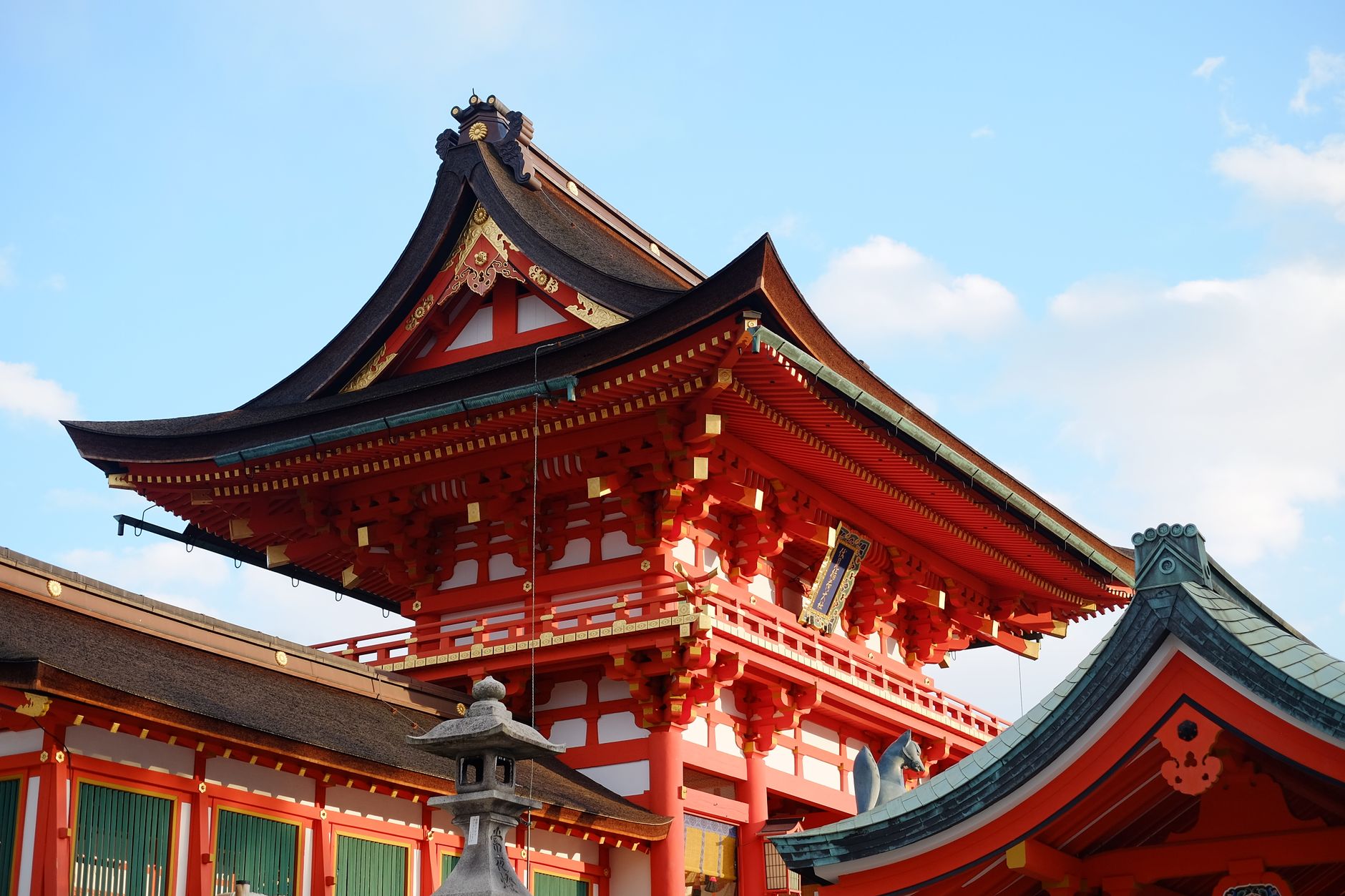
Sacred spaces in Japan have their own etiquette requirements. At Shinto shrines, the traditional approach involves bowing twice, clapping twice, then bowing once more after making a silent prayer. Speaking in normal conversational tones is acceptable, but loud voices, disrespectful behavior, and climbing on sacred structures are not. Photography is generally permitted in outdoor shrine and temple grounds but may be prohibited inside specific buildings. Check for signs indicating photography restrictions before shooting.
Queuing and Personal Space
Japan takes queuing very seriously. Lines form quickly and are followed with impressive discipline, whether waiting for a bus, buying tickets, or entering a popular restaurant. Pushing ahead or failing to notice a forming queue is genuinely considered rude. Personal space on crowded trains is respected through a kind of unspoken agreement to minimize physical contact despite the inevitable proximity, and being deliberately jostled is genuinely unusual even in the most crowded conditions.
Most Japanese etiquette reduces to two underlying principles: consideration for others and awareness of how your actions affect the people around you. Visitors who internalize these values rather than memorizing a list of rules will navigate Japanese social situations with ease and earn the appreciation of the people they encounter throughout their journey.
Plan Your Japan Trip
Ready to visit Japan? Find and book hotels across Japan — from budget guesthouses to luxury ryokan.
