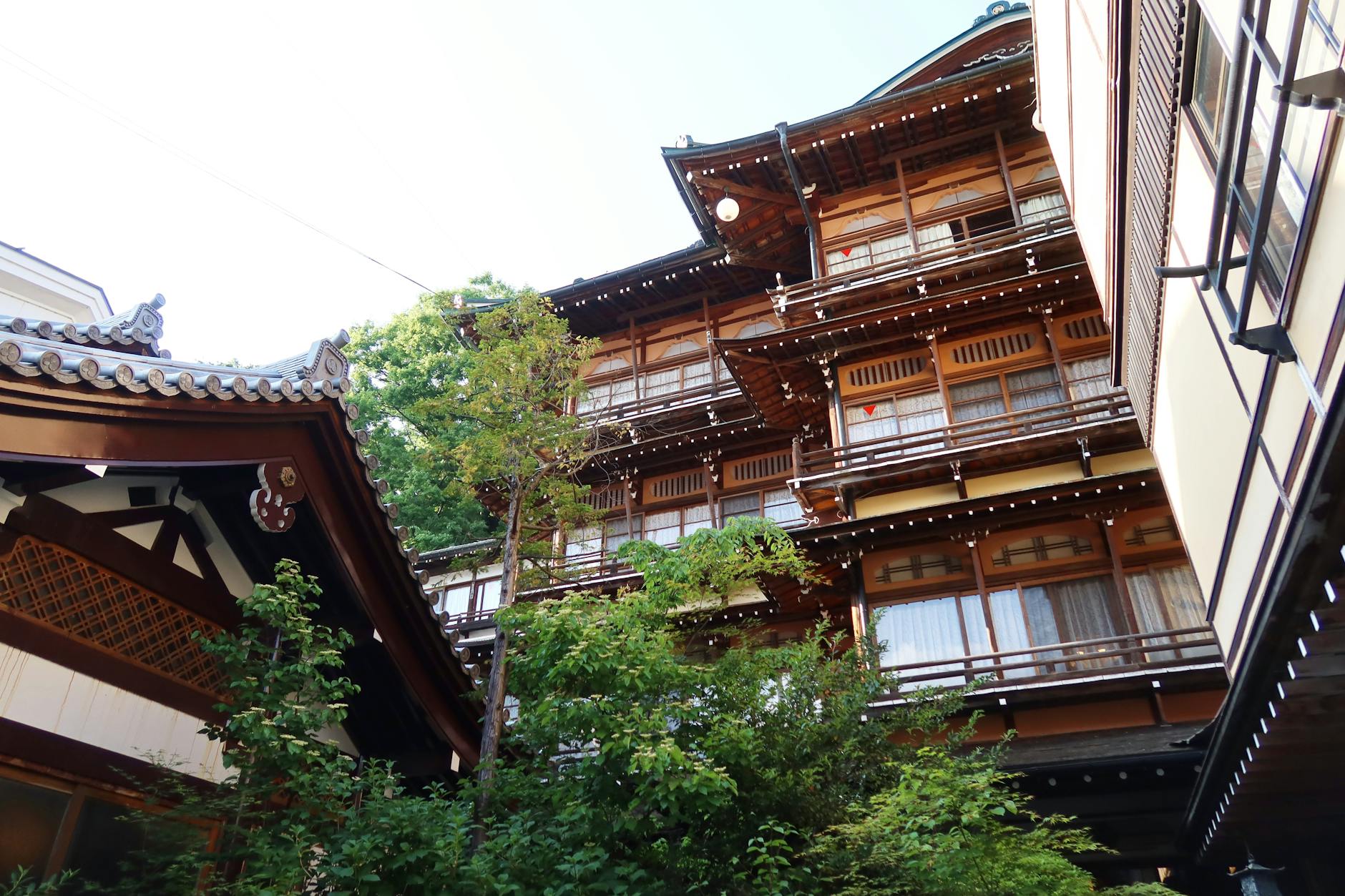
Few experiences in Japan are as deeply relaxing as an onsen. Whether you are soaking in a mountain rotenburo under the stars or unwinding in a traditional ryokan after a day of sightseeing, Japan’s hot spring culture is something every visitor should experience at least once. Here is everything you need to know.
What Is an Onsen?
An onsen is a natural hot spring bath fed by geothermal water. Japan sits on a highly volcanic archipelago, which means hot springs bubble up across the country — from Hokkaido in the north to Kyushu in the south. The water is rich in minerals like sulfur, sodium, and calcium, and many people believe regular soaking has genuine health benefits for the skin, muscles, and circulation.
Types of Onsen Baths
Most onsen facilities offer several types of baths. Indoor baths (uchifuro) are the standard option, sheltered and temperature-controlled. Outdoor baths (rotenburo) are the most celebrated — soaking outside while surrounded by mountains, forests, or even snowfall is an experience that is hard to forget. Some ryokan also offer private baths (kashikiri) that you can book for exclusive use with your partner or family.
What Is a Ryokan?
A ryokan is a traditional Japanese inn, and staying in one is one of the best ways to experience Japanese hospitality. Rooms feature tatami mat floors, futon bedding, and sliding shoji screens. Guests typically wear a yukata (a light cotton robe) throughout their stay. Most ryokan include a multi-course kaiseki dinner and breakfast, both served in your room or a private dining space.
Onsen Etiquette: The Rules You Need to Know
Japanese onsen culture comes with firm etiquette that visitors are expected to follow. The most important rules are simple: wash your body thoroughly at the shower stations before entering the bath, do not wear a swimsuit or any clothing in the communal bath, keep your towel out of the water (fold it on your head or leave it at the side), and never dunk your head. Tattoos are a sensitive issue — many onsen still prohibit them in communal baths, though private baths are usually fine.
Best Onsen Destinations in Japan
Hakone, just 90 minutes from Tokyo by train, offers spectacular views of Mount Fuji from its rotenburo baths. Beppu in Oita Prefecture is one of Japan’s most famous hot spring towns, with the famous “Hells of Beppu” — brightly colored springs too hot to bathe in but extraordinary to look at. Kinosaki Onsen in Hyogo is a beautifully preserved hot spring town where you wander between seven public bathhouses wearing your yukata. Yufuin in Oita and Nikko in Tochigi are also outstanding options.
How to Book a Ryokan
Ryokan range enormously in price, from affordable guesthouses charging around 8,000 yen per person to luxury retreats exceeding 100,000 yen per night. For your first experience, aim for a mid-range ryokan that includes dinner and breakfast. Booking through Rakuten Travel gives you access to a wide range of options with guest reviews in English.
Practical Tips
- Bring a small towel — most ryokan provide one but public bathhouses charge extra
- Avoid onsen after drinking alcohol
- Stay hydrated — the hot water dehydrates you faster than you expect
- Arrive before dinner at a ryokan — the evening meal is a major part of the experience
- Many day-trip onsen (higaeri) facilities are available if you are not staying overnight
An onsen stay in Japan is not just a bath — it is a complete reset for your body and mind. If you only do one truly Japanese thing on your trip, make it this.
Plan Your Japan Trip
Ready to visit Japan? Find and book hotels across Japan — from budget guesthouses to luxury ryokan.
