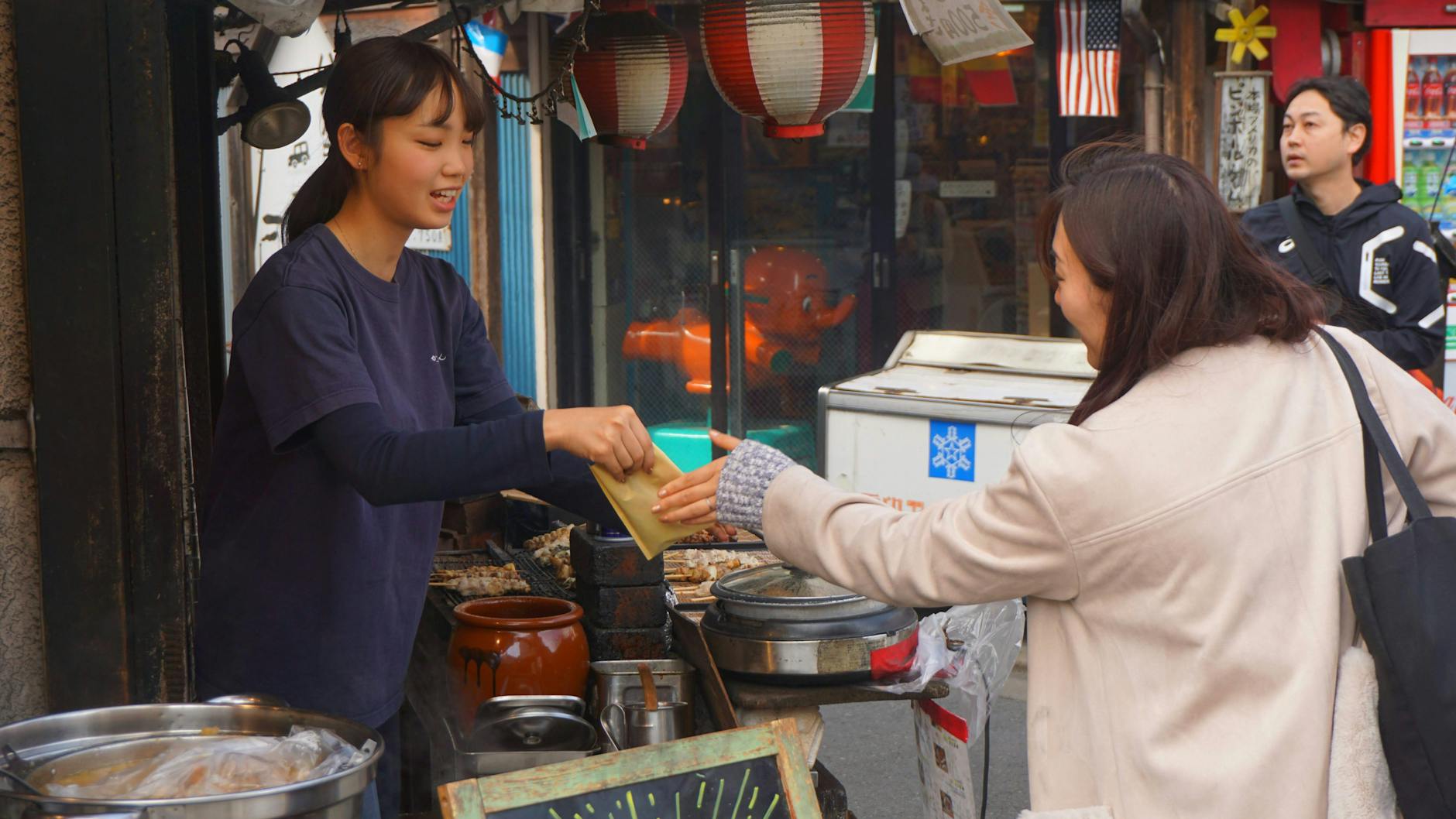
One of the great things about Tokyo is that you do not need to spend a fortune to eat extraordinarily well. From a perfect bowl of ramen for under 1,000 yen to a standing sushi bar where you can gorge yourself for 2,000 yen, Tokyo is a paradise for budget food lovers. Here is how to make the most of it.
Set Meals: Your Best Friend
The teishoku — a fixed-price set meal — is the cornerstone of affordable eating in Japan. At lunch, almost every restaurant offers a set that includes a main dish, rice, miso soup, and a small salad or side for between 800 and 1,200 yen. Quality is consistently high because Japanese restaurants take even their cheapest options seriously. Look for the lunch set signs displayed outside restaurants between 11:30 and 14:00.
Gyudon Chains: Fast, Cheap and Surprisingly Good
The major gyudon chains — Yoshinoya, Sukiya, and Matsuya — serve beef bowls and are scattered across Tokyo like convenience stores. A standard beef bowl starts at around 500 yen and is genuinely satisfying. These chains are also open 24 hours, which makes them invaluable after a late night out. Do not overlook them out of snobbery — locals eat here regularly.
Ramen: Flavor Without the Price Tag
A proper bowl of ramen at a specialist shop costs between 800 and 1,200 yen. Tokyo is known for its shoyu-style ramen with a clear soy broth, but you will also find tonkotsu, miso, shio, and tsukemen across the city. Many ramen shops use vending machines at the entrance — buy your ticket before you sit down. The best ramen neighborhoods include Shinjuku, Ikebukuro, and Shimokitazawa.
Convenience Store Food
Japanese convenience stores — 7-Eleven, Lawson, and FamilyMart — sell freshly made onigiri for 120 to 180 yen, hot nikuman steamed buns for about 150 yen, and a rotating selection of hot foods, sandwiches, and bento boxes all priced under 600 yen. The quality genuinely rivals many sit-down restaurants. A full convenience store breakfast costs about 400 yen.
Standing Sushi: Great Value at the Counter
Conveyor belt sushi restaurants offer plates from 110 to 160 yen each. Two to three people can eat well for under 2,000 yen per person. Look for chains like Sushiro, Kura Sushi, or Hamazushi. For something even cheaper, standing sushi counters in market areas like Tsukiji Outer Market offer fresh nigiri at remarkably low prices.
Depachika Discount Timing
Department store basement food halls are normally expensive, but in the last 30 to 60 minutes before closing — usually around 19:30 to 20:00 — they discount prepared foods and bento boxes by 20 to 50 percent. This is a well-known local trick. Show up at closing time at the basement of Isetan in Shinjuku or Takashimaya in Nihonbashi and eat extremely well for very little.
Yakitori Alley and Standing Bars
Under the elevated train tracks in areas like Yurakucho and Shimbashi, you will find small yakitori restaurants with plastic seats and smoke-filled air. Skewers typically cost 100 to 200 yen each, and a beer is around 500 yen. This is some of the most atmospheric and affordable dining in the city. Go with an open mind and point at what looks good.
Budget Tips
- Lunch is always cheaper than dinner at the same restaurant — often by 30 to 40 percent
- Vending machines sell hot canned coffee and tea for about 120 yen — far cheaper than cafes
- Supermarkets reduce bento boxes after 17:00 — look for yellow discount stickers
- Water is free and safe to drink from any tap in Tokyo
- Standing bars are cheaper than seated ones — no seating charge applies
Tokyo rewards the curious and unpretentious eater. The best meals are often found in the smallest, oldest places with handwritten menus and no English signage. Point, smile, and eat well.
Plan Your Japan Trip
Ready to visit Japan? Find and book hotels across Japan — from budget guesthouses to luxury ryokan.
