Japan’s train system is one of the best in the world — and also one of the most intimidating for first-time visitors. Hundreds of lines, multiple companies, kanji signs, and peak-hour crowds can feel overwhelming. But once you understand the basics, getting around Japan by train is actually straightforward and incredibly efficient. Here’s everything you need to know.
Step 1: Get an IC Card
The first thing you should do when you arrive in Japan is get an IC card. This is a rechargeable smart card that works like a contactless payment card for trains, subways, and buses across Japan.
The two most widely used IC cards are Suica (issued by JR East, works best in Tokyo and eastern Japan) and ICOCA (issued by JR West, works best in Osaka, Kyoto, and western Japan). Both cards work interchangeably across most of Japan. You can pick up a Suica at any major JR station — Narita Airport, Haneda Airport, and Tokyo Station all have machines in English. Cost: ¥500 deposit plus however much you load onto it (start with ¥2,000–3,000). You can also add Suica to Apple Wallet or Google Pay before arriving in Japan.
Step 2: Understand the Different Train Types
JR (Japan Railways) is the national rail network. Your Japan Rail Pass covers most JR lines. The famous Shinkansen (bullet train) is also JR. Private Railways like Hankyu, Kintetsu, Keio, and Odakyu run their own lines — these are NOT covered by the JR Pass but are often cheaper for certain routes. Subway systems in Tokyo, Osaka, and other cities all accept IC cards.
Step 3: Reading the Signs
Train station signage is excellent — almost everything is in English too. Every train line has a color. Signs show the final destination of each train. Express trains skip smaller stations, local trains stop everywhere.
Step 4: Using the Ticket Gates
If you have an IC card, just tap it on the reader at the entrance gate and tap again when you exit. The fare is automatically deducted. If you need a paper ticket, use the vending machines — there’s an English button.
Step 5: On the Train
Talking on the phone is considered rude. Priority seats near the doors are for elderly, pregnant, and disabled passengers. Rush hour (7:30–9:30am, 5:30–8pm) in Tokyo and Osaka is extremely crowded. Eating and drinking is generally not done on local trains (the Shinkansen is fine).
Using Google Maps for Navigation
Google Maps is your best friend for navigating Japanese trains. Just enter your destination and it will tell you exactly which line to take, which platform, and how much it costs.
The Japan Rail Pass: Is It Worth It?
The JR Pass lets you ride unlimited JR trains including Shinkansen for a set period. For a Tokyo–Kyoto–Osaka–Tokyo trip, it usually pays for itself. Buy it before you arrive in Japan — it must be purchased outside Japan or online in advance.
Japan’s train system may seem complex at first, but after one or two rides you’ll wonder how you ever got around without it.m
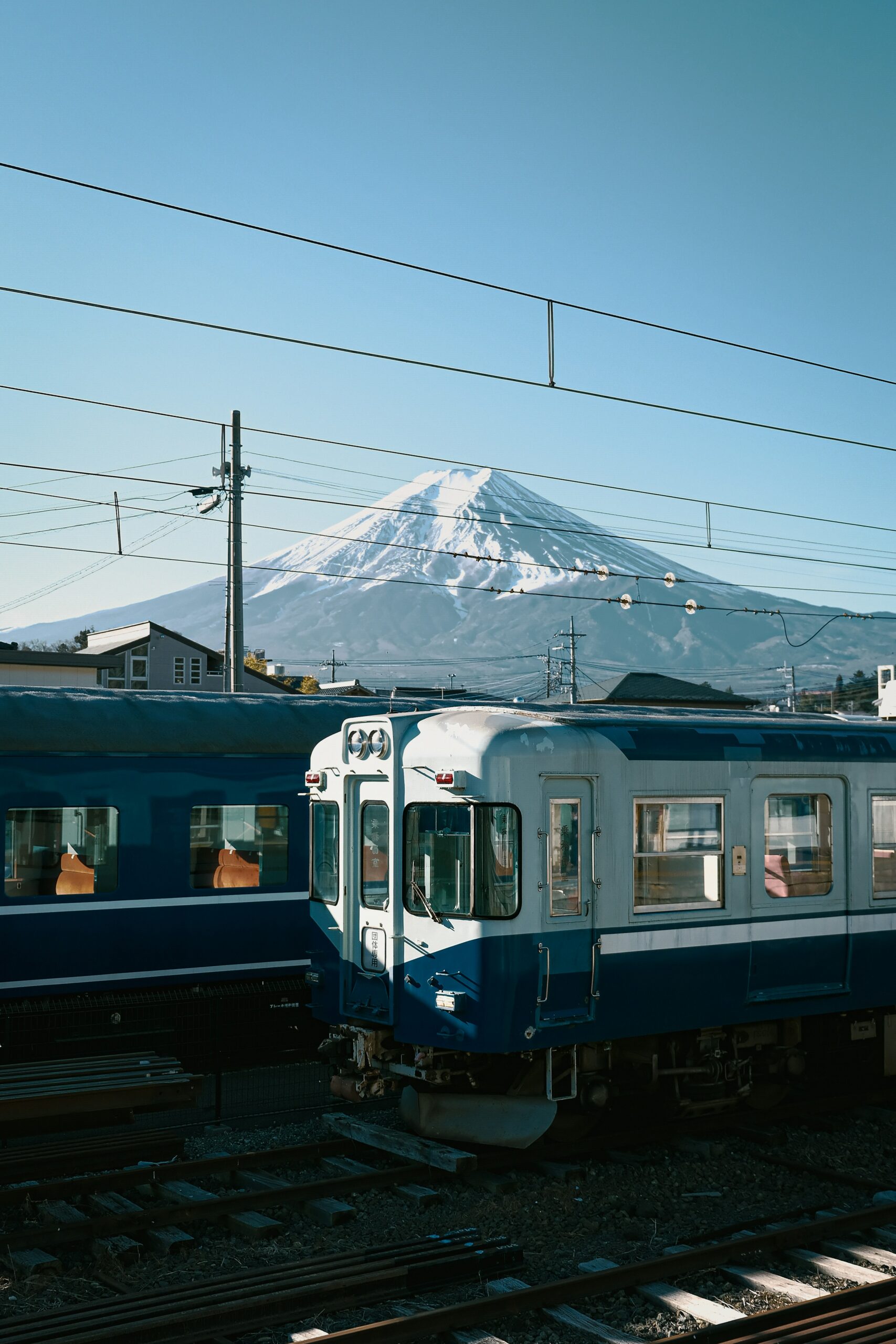
How to Use Japanese Trains: A Complete Guide for First-Time Visitors
