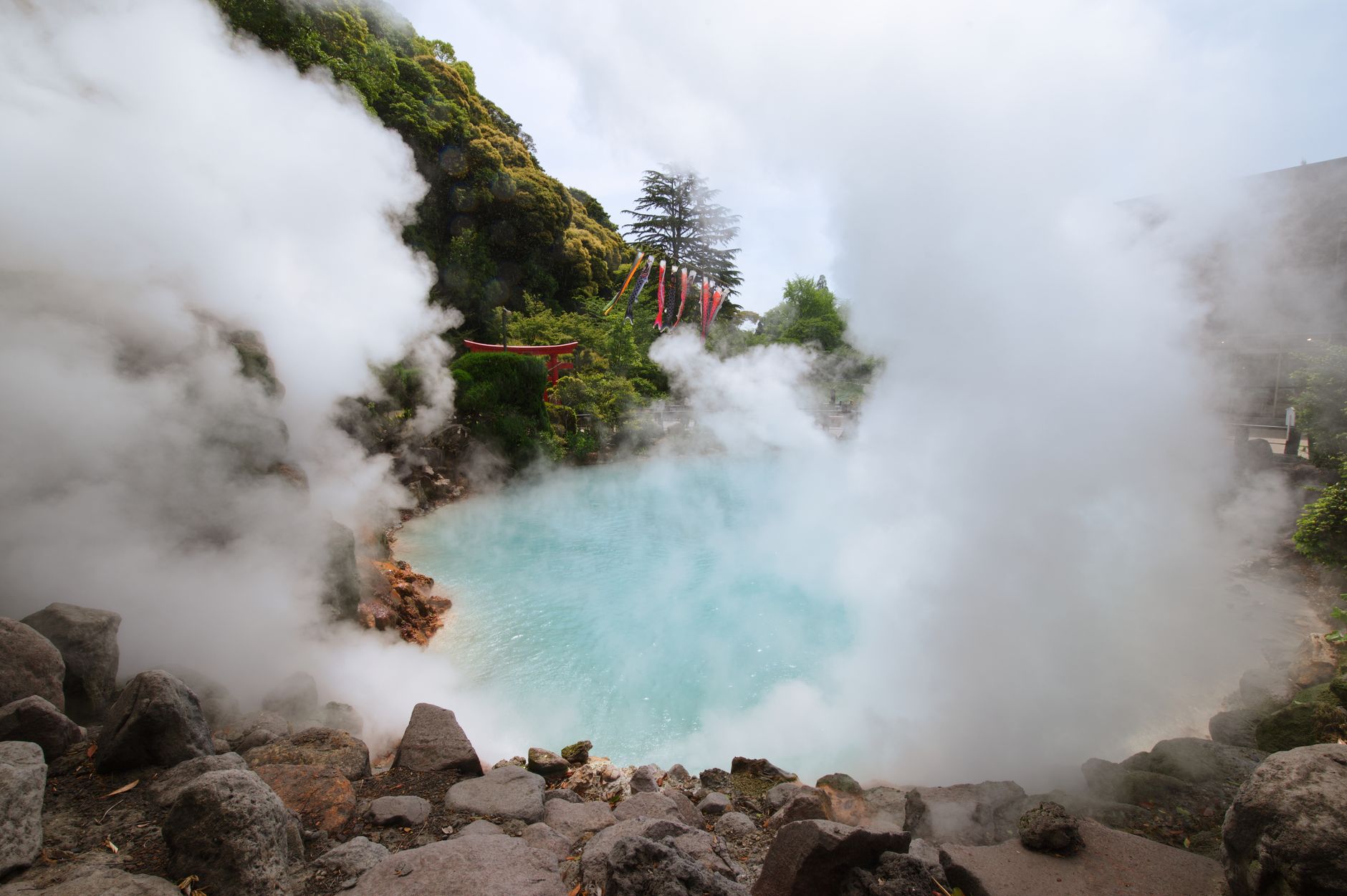
Bathing in natural hot springs is one of the most distinctly Japanese experiences available to travelers, combining physical relaxation with a ritual that has been central to Japanese culture for over a thousand years. Whether you visit a grand resort hotel in a mountain town or a humble neighborhood bathhouse in a city, the onsen experience offers something genuinely restorative that is difficult to replicate anywhere else. Here is everything first-time visitors need to know.
Understanding the Basics
Japanese onsen are natural hot springs fed by geothermal activity, and the water from each source contains different minerals that are believed to have distinct therapeutic properties. The same word is used for the facilities built around these springs. Japan has strict legal definitions distinguishing genuine onsen from regular heated baths, requiring that the water contain certain minerals above specified concentrations. Most traditional resort towns, known as onsen machi, have developed around particularly abundant or high-quality spring sources.
The Rules of Onsen Etiquette
Entering an onsen for the first time without knowing the etiquette can feel intimidating, but the rules are straightforward once explained. You enter the bathing area completely without clothing, as swimwear is not permitted in traditional onsen baths. Before entering the shared bath, you must wash your entire body thoroughly at the individual shower stations provided, using the soap and shampoo available there. You cannot bring towels into the water, though most facilities provide small tenugui hand towels that can be folded on your head during soaking. Tattoos are prohibited at most traditional onsen facilities, a rule that derives from historical associations with organized crime.
Best Onsen Destinations Near Tokyo
Hakone is the most accessible onsen destination from Tokyo, reachable in about 90 minutes from Shinjuku by the Romancecar limited express train. The Hakone area contains dozens of ryokan inns and public bathhouses offering baths fed by different spring sources, many with spectacular views of Mount Fuji on clear days. Nikko, another easy day trip from Tokyo, combines impressive historical shrines with onsen facilities in the mountains. Kusatsu in Gunma Prefecture, roughly 2.5 hours from Tokyo, is considered one of Japan’s finest onsen towns for the extraordinary volume and quality of its spring water.
Ryokan Stays with Private Onsen
The most indulgent way to experience onsen is staying at a traditional ryokan inn that includes a private open-air bath attached to your room. These kashikiri rotenburo private outdoor baths allow you to soak at any hour without sharing the space, making them ideal for those concerned about bathing in public. Ryokan stays typically include elaborate multi-course kaiseki dinner and breakfast, making them a complete cultural experience beyond just the bathing.
Public Sento Bathhouses in Cities
Urban neighborhoods throughout Japan contain public bathhouses called sento that, while using heated tap water rather than natural spring water, follow the same rituals and offer a genuine window into everyday Japanese bathing culture. Many sento have been renovated in recent years with distinctive architecture or art installations while maintaining their traditional function. Visiting a neighborhood sento is an affordable way to experience the bathing ritual outside of a tourist destination.
Types of Baths and Water
A well-appointed onsen facility typically offers multiple types of baths: indoor baths maintained at different temperatures, outdoor rotenburo baths allowing you to soak in fresh air, and sometimes sand baths or steam rooms. The water itself varies widely by location: milky white sulfurous water in places like Beppu, jet-black iron-rich water at some Tokyo facilities, clear sodium chloride water at seaside locations, and vivid green sulfur water in volcanic areas like Noboribetsu. Each has different reputed benefits and distinct sensory experiences.
Tattoo-Friendly Onsen
Visitors with tattoos should research facilities in advance, as the traditional prohibition remains enforced at most onsen. However, a growing number of facilities, particularly in major cities and tourist areas, have adopted tattoo-friendly policies in response to the increasing number of international visitors. Private bath facilities and some newer boutique onsen specifically welcome tattooed guests. Websites and apps dedicated to tattoo-friendly onsen listings in Japan make pre-trip research straightforward.
An onsen visit done properly, with time to soak slowly, rest between dips, and drink plenty of water, leaves you feeling profoundly relaxed in a way that few experiences can match. Building at least one onsen stay into your Japan itinerary, whether a full overnight at a ryokan or simply an afternoon visit to a public bathhouse, adds a dimension to the trip that no amount of sightseeing can replicate.
Plan Your Japan Trip
Ready to visit Japan? Find and book hotels across Japan — from budget guesthouses to luxury ryokan.
