Kyoto contains more than 1,600 Buddhist temples and Shinto shrines, a density of sacred architecture that makes the city one of the greatest repositories of Japanese cultural heritage anywhere in the world. While every temple has its merits, a handful stand apart for the combination of historical significance, architectural beauty, and the quality of the visitor experience they offer. Here are the temples that every visitor to Kyoto should prioritize.
Kinkaku-ji – The Golden Pavilion
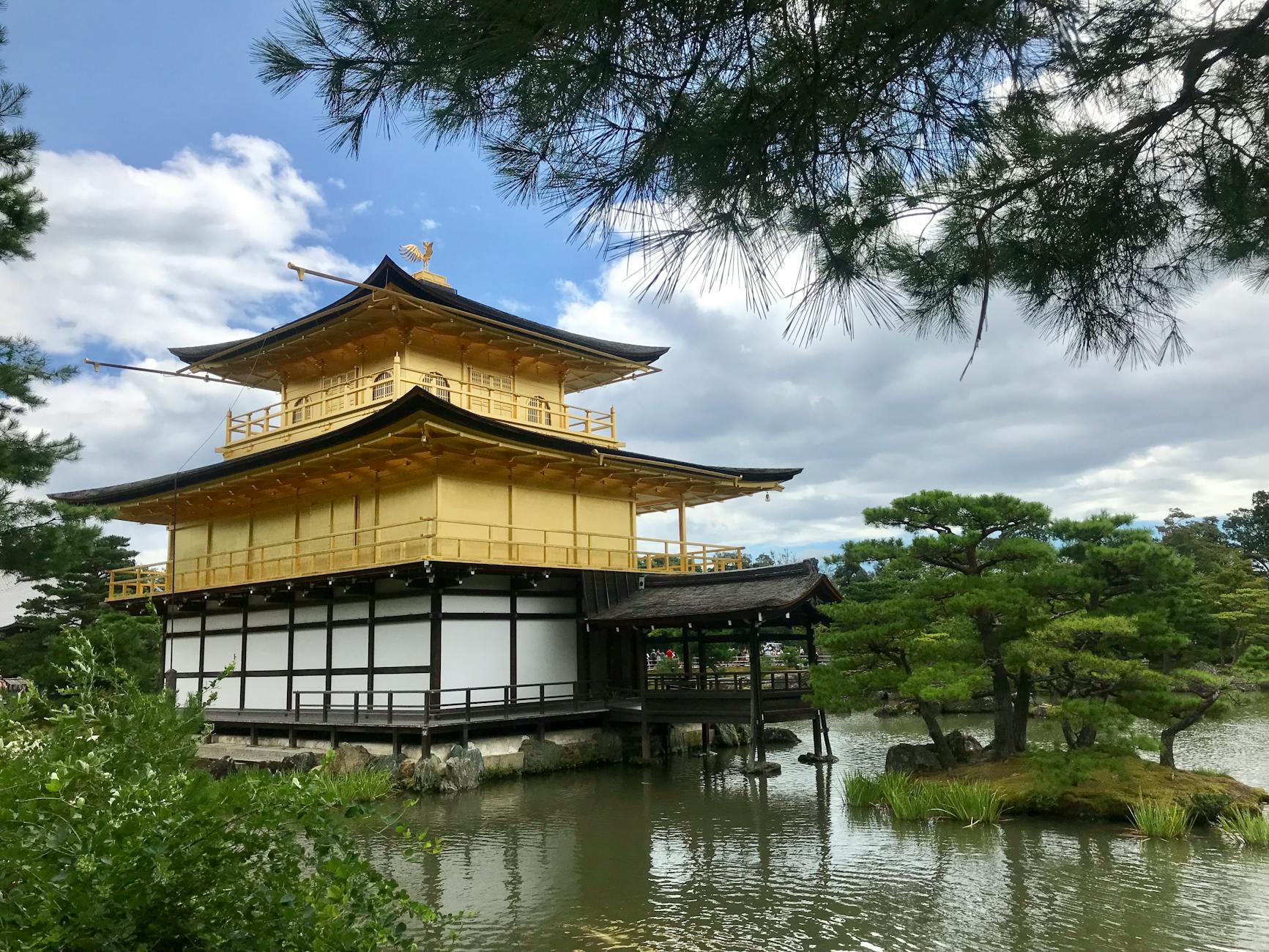
Kinkaku-ji, the Temple of the Golden Pavilion, is perhaps the single most recognizable building in Japan. The three-story pavilion covered in gold leaf reflects perfectly in the surrounding pond on still mornings, creating a scene of extraordinary visual perfection. Originally built as a retirement villa for a shogun in the 14th century and later converted to a Zen temple, the building was burned to the ground by a disturbed monk in 1950 and the current structure is a 1955 reconstruction. Despite its reconstructed status, the setting and visual impact remain as powerful as ever.
Ryoan-ji – The Rock Garden
Ryoan-ji contains the most famous karesansui dry landscape garden in Japan, a rectangle of white gravel carefully raked around fifteen stones arranged in five groups. The garden is designed so that from any viewing position within the garden, at least one stone is always hidden from view. The meaning of the arrangement has been debated for centuries without consensus, and sitting on the wooden viewing platform contemplating the garden in early morning silence is one of Kyoto’s most meditative experiences.
Kiyomizudera – Clear Water Temple
Kiyomizudera sits on a hillside in the Higashiyama district with views over the surrounding city and valley from its famous wooden stage that extends 13 meters out from the main hall without a single nail. The expression kiyomizudera no butai kara tobioriru, meaning to jump off the stage at Kiyomizudera, is a Japanese idiom for making a bold decision. The approach streets winding up through the Higashiyama district are lined with traditional shops and teahouses worth exploring both before and after visiting the temple.
Ginkaku-ji – The Silver Pavilion
Ginkaku-ji, despite its name meaning Silver Pavilion, was never actually covered in silver as originally planned. The unpainted wood structure has developed a distinctive patina over centuries that many find more beautiful than the gold of its famous counterpart across the city. The temple garden includes two famous sand sculptures: the Kogetsudai moon platform and the Ginshadan silver sand sea. The Philosopher’s Path connecting Ginkaku-ji to other temples and shrines in the Higashiyama district follows a canal lined with cherry trees.
Fushimi Inari – The Thousand Gates
While technically a Shinto shrine rather than a Buddhist temple, Fushimi Inari Taisha is indispensable to any Kyoto temple and shrine tour. The thousands of vermilion torii gates winding up the sacred Mount Inari create one of Japan’s most photographed and atmospherically powerful experiences. The entire mountain is considered sacred ground dotted with smaller shrines and fox statues, and completing the full circuit takes two to three hours through increasingly remote forest.
Kyoto’s temples reward visitors who pace themselves and engage thoughtfully rather than rushing through checklist fashion. Choose two or three temples for each day in Kyoto, visit early in the morning before tour groups arrive, and allow time to sit quietly and absorb the atmosphere that centuries of spiritual practice have created in these remarkable spaces.
Plan Your Japan Trip
Ready to visit Japan? Find and book hotels across Japan — from budget guesthouses to luxury ryokan.
