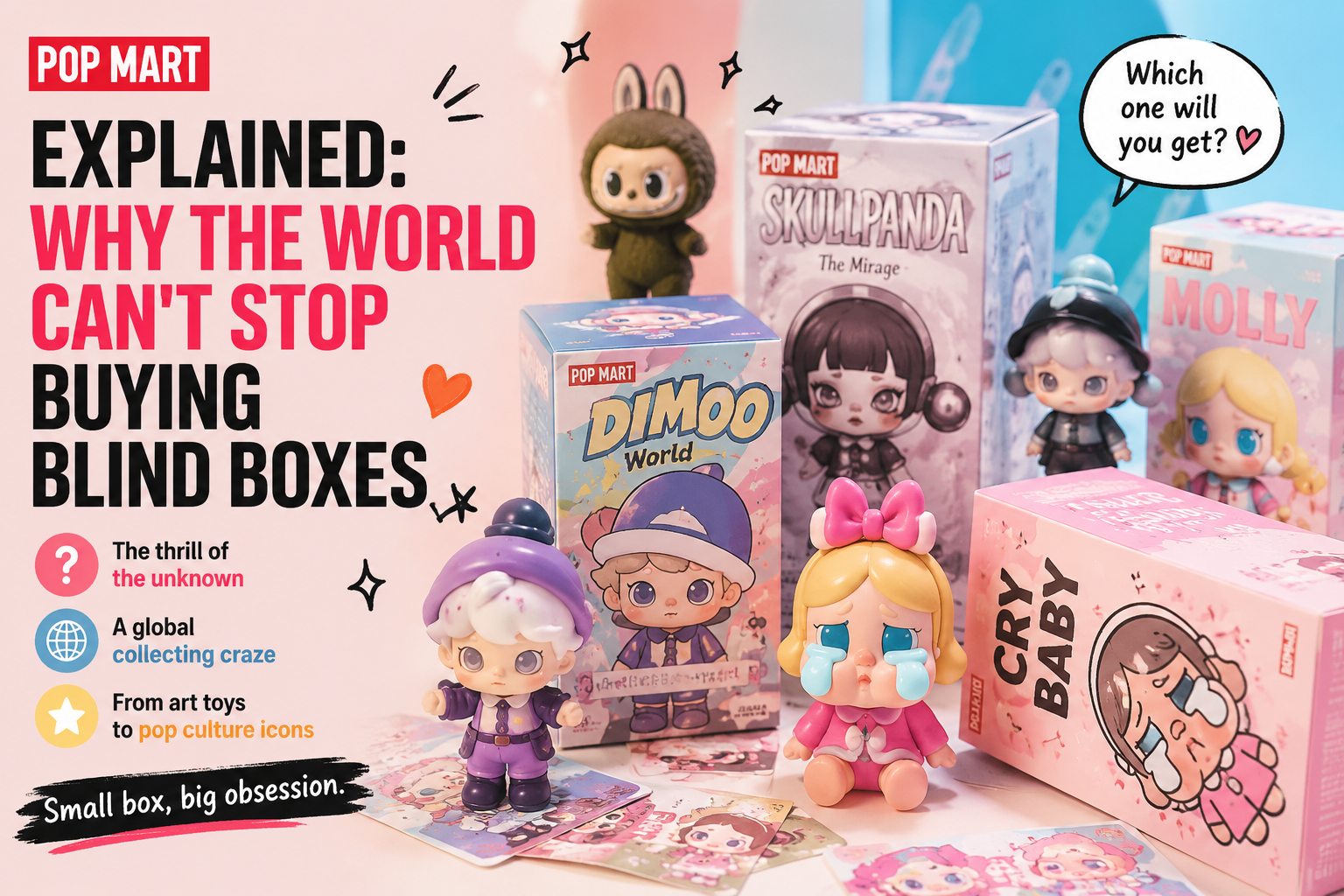
If you have been anywhere near TikTok or Instagram in the past year, you have almost certainly encountered Labubu, the wide-eyed furry monster dangling from someone’s designer handbag. What started as a niche collectible from Hong Kong-based Pop Mart has exploded into one of the defining cultural objects of 2026, generating over 400 million dollars in global sales in the first half of 2025 alone.
What Is Labubu?
Labubu is a character created by Hong Kong artist Kasing Lung, originally part of his fantasy picture book series The Monsters. The character features pointy ears, a wide toothy grin, and large expressive eyes, giving it a mischievous yet oddly lovable appearance. Pop Mart, the Chinese designer toy company, licensed the character and transformed it into a blind box collectible series that became a global phenomenon.
Unlike earlier collectible figures that sat on shelves, Labubu is primarily sold as a plush bag charm. This single design decision changed everything. By making Labubu something wearable, Pop Mart turned a toy into a fashion accessory that appears alongside luxury handbags, backpacks, and jacket zippers in street style photography worldwide.
Why Labubu Went So Viral
Several forces converged to make Labubu unavoidable. K-pop star Lisa of BLACKPINK was photographed carrying a Labubu charm in 2024, instantly triggering a wave of celebrity adoptions and media coverage. The blind box format, in which buyers do not know which specific design they will receive until opening, creates an addictive unboxing ritual that performs exceptionally well as video content. Rare chase figures, available in roughly one out of every seventy-two boxes, add a gambling-adjacent thrill that keeps collectors buying repeatedly.
The plush format photographs beautifully. Labubu’s texture, wide eyes, and expressive face translate into compelling images on both flat lay product shots and candid street photography. A single well-composed photo of a Labubu attached to a Louis Vuitton bag carries an aspirational quality that drives enormous organic engagement.
Labubu in Japan
Japan has embraced Labubu enthusiastically, which makes sense given the country’s existing culture of character merchandise, capsule toys, and blind box collecting. Pop Mart has expanded its retail presence in Japan significantly, with flagship stores in Tokyo and Osaka drawing queues for limited release drops. Japanese collectors have developed their own communities around trading duplicates and documenting their collections, following patterns established by earlier blind box phenomena like Smiski and Sonny Angel.
For visitors to Japan, Pop Mart stores offer the full range of Labubu series alongside Japan-exclusive colorways and collaborations that are unavailable elsewhere. The stores themselves have become destinations, with in-store random draw machines and elaborate display installations that reward browsing even without purchasing.
Labubu Versus Other Blind Box Collectibles
The blind box collectible market has become genuinely competitive. Smiski, the glowing green figure from Dreams Inc., appeals through its miniature size and environmental storytelling. Sonny Angel, also from Dreams Inc., carries two decades of collector heritage with its cherubic aesthetic. Labubu occupies a different space entirely, leaning into the deliberately imperfect, monster-adjacent design that appeals to collectors who want something with more edge and personality.
Crybaby, Pop Mart’s other major IP featuring a character with a perpetual teary-eyed expression, has emerged as the fastest-rising collectible of 2026 and often appears alongside Labubu as a complementary purchase.
How to Find Labubu in Japan
Pop Mart operates standalone stores in major Japanese cities, and their locations in Harajuku, Shibuya, and Shinjuku are the most reliable sources for current series. Tokyu Hands and Loft occasionally stock Pop Mart products but with limited selection. For the widest range, including older series and rare figures, secondhand marketplaces like Mercari and Surugaya carry extensive Labubu inventory, often at prices that reflect their resale demand.
Labubu represents the current peak of a collecting culture that shows no sign of slowing. Whether you approach it as a fashion accessory, an investment collectible, or simply something that brings a smile when it catches your eye on a bag, it has earned its place as one of the most talked-about objects of this cultural moment.
Plan Your Japan Trip
Ready to visit Japan? Find and book hotels across Japan — from budget guesthouses to luxury ryokan.
