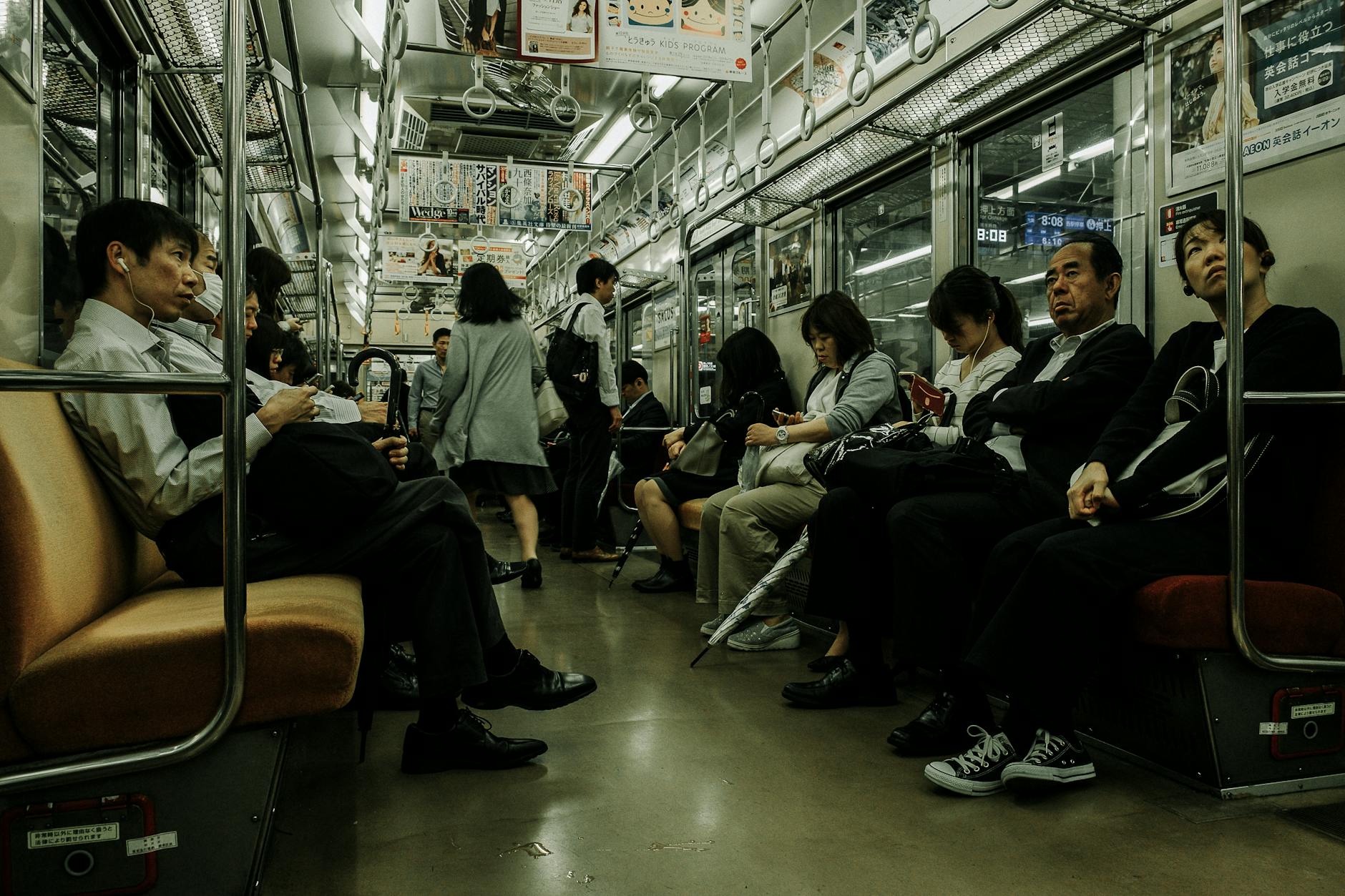
IC cards are the most practical travel accessory available to visitors in Japan, functioning as rechargeable electronic wallets that work across virtually every train, subway, bus, and even many convenience stores and vending machines throughout the country. Understanding how to obtain and use these cards saves time, eliminates the need to purchase individual tickets for every journey, and simplifies daily life considerably during your stay.
Suica vs Pasmo – What is the Difference
Suica is issued by JR East and features a penguin mascot that has become one of the most recognizable characters in Japan. Pasmo is issued by a consortium of Tokyo’s private railways and subways. In practical terms, both cards work on exactly the same transportation networks and at the same shops throughout the Kanto region around Tokyo and beyond. You can use either card on any train line in the area without restriction, so simply choose whichever is available at the machine you find first.
How to Get a Card
Suica cards are available from ticket vending machines at any JR East station, including all major Tokyo stations and both Narita and Haneda airports. Pasmo cards are available from vending machines at Tokyo Metro, Toei, and private railway stations. The standard cards require a 500 yen deposit that is refunded when you return the card at the end of your trip. A Welcome Suica card specifically designed for tourists is available at major airports and has no deposit but cannot be refunded and expires after 28 days.
Loading Money onto Your Card
Top up your IC card at any ticket vending machine by inserting cash and selecting the charge amount. You can add 1,000, 2,000, 3,000, 5,000, or 10,000 yen at a time. The balance is displayed on the screen when you enter and exit stations, and a low balance warning sounds at the gate if you are running low. Charging the card at convenience store registers is also possible, making it easy to add funds while picking up a snack.
Using the Card
Touch the card to the IC reader at the station gate when entering and again when exiting. The correct fare is automatically deducted based on your journey without any further action required. The same tap-and-go process works at convenience stores, vending machines, and many restaurants and shops throughout Japan that display the IC card payment symbol. Using an IC card for small purchases at convenience stores is faster than handling cash and eliminates the need to manage small coins.
Apple Pay and Google Pay
Suica can be added to Apple Pay on iPhone and Apple Watch, as well as to Google Pay on Android devices with NFC capability. The digital version works identically to the physical card and can be topped up directly through the app using a credit card. For visitors who prefer to minimize the number of physical cards they carry, the digital version offers a convenient alternative.
Loading your IC card with a generous initial balance before exploring the city eliminates one small friction point from daily travel and allows you to move through train gates as smoothly as local commuters. A 3,000 to 5,000 yen initial balance is sufficient for most visitors spending a week in Tokyo.
Plan Your Japan Trip
Ready to visit Japan? Find and book hotels across Japan — from budget guesthouses to luxury ryokan.
