The journey between Tokyo and Kyoto is one of the most traveled routes in Japan, and travelers have several genuinely different options for making the trip. Each option involves different trade-offs between cost, speed, comfort, and experience. Understanding all your options allows you to choose the approach that best fits your itinerary and budget.
Shinkansen – The Fastest and Most Convenient Option
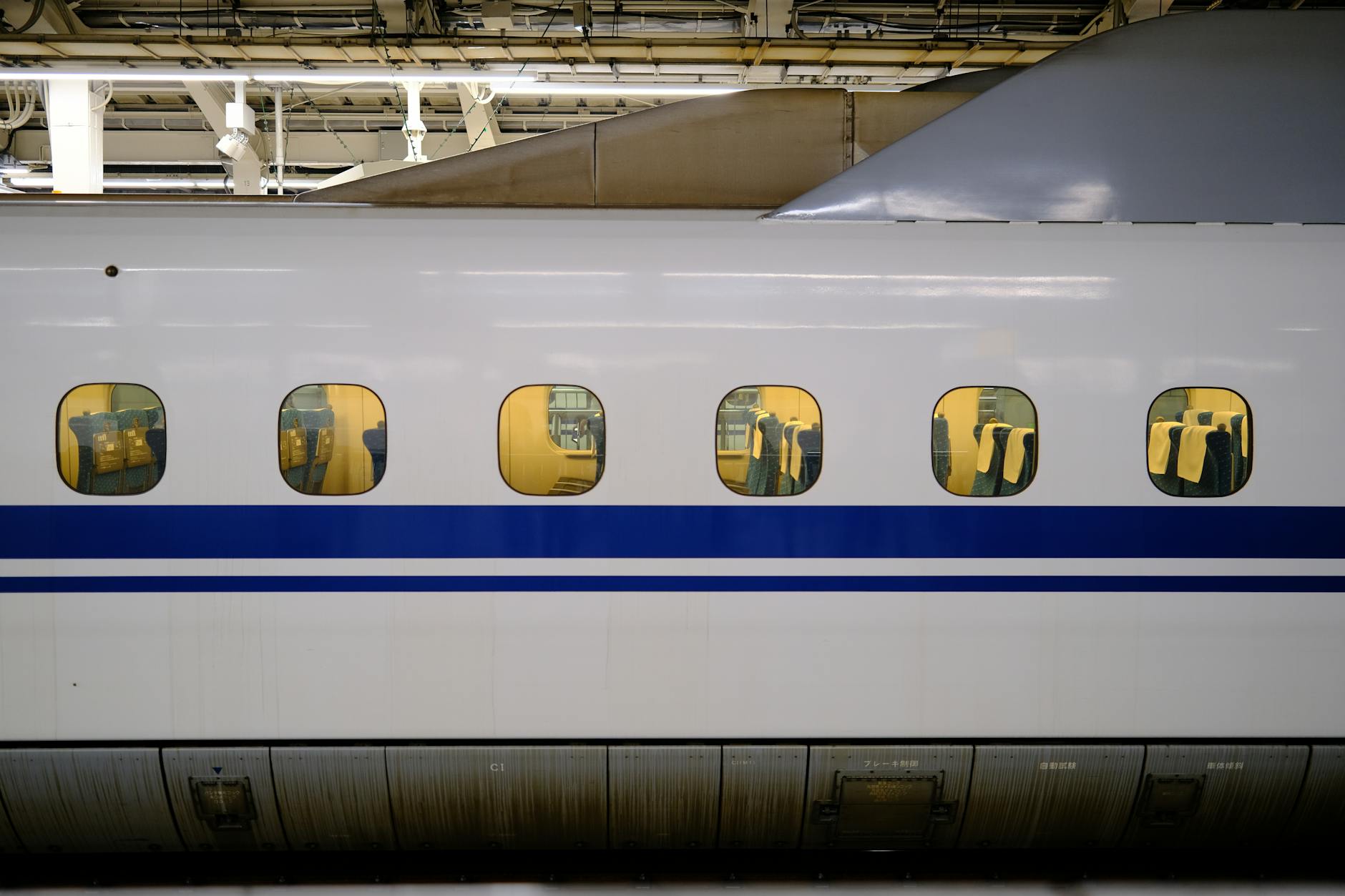
The Tokaido Shinkansen is the default choice for most travelers making the Tokyo-Kyoto journey, and for good reason. The Hikari service takes approximately 2 hours and 15 minutes, while the Nozomi (not covered by JR Pass) takes about 2 hours and 10 minutes. Trains depart frequently throughout the day, and the journey is extremely comfortable with spacious seats, reliable WiFi, and the option to purchase excellent bento boxes from vendors who pass through the carriages. Mount Fuji is visible from the right side of the train (heading toward Kyoto) on clear days, adding a memorable visual bonus to the journey.
Using the JR Pass on the Shinkansen
JR Pass holders must use the Hikari or Kodama services rather than the faster Nozomi trains. The Hikari is the practical choice, taking about 2 hours 20 minutes versus the Nozomi’s 2 hours 10 minutes. Seat reservations can be made for free at any JR ticket office and are recommended especially during busy periods. Without a JR Pass, a one-way Hikari reserved seat ticket costs approximately 13,600 yen, making the pass an excellent investment for anyone making this journey even once in each direction.
Highway Bus – The Budget Option
Highway buses operate overnight services between Tokyo and Kyoto for roughly 3,000 to 6,000 yen depending on the service and booking timing. The journey takes approximately 7 to 8 hours, making it an efficient way to save on both accommodation costs and transport simultaneously. Seats on better-quality buses recline significantly and some services offer individual curtained berths. Book through Willer Express, JR Bus, or similar operators using their English-language websites.
Domestic Flight
Flying between Tokyo and Osaka (the nearest major airport to Kyoto) is theoretically possible but rarely practical for this route. When you factor in the time required to travel to Haneda or Narita airport, check in, fly, and then travel from Kansai International Airport to Kyoto center, the total door-to-door time often exceeds that of the Shinkansen. Budget airlines including Peach and Jetstar offer competitive fares, but the overall time investment rarely makes sense unless prices are dramatically lower than train options.
Driving
Renting a car and driving the Tomei Expressway from Tokyo to Nagoya then the Meishin Expressway to Kyoto takes approximately 5 to 6 hours without traffic, with toll costs of roughly 10,000 yen each way. Driving is not recommended for most tourists due to the time involved, the complexity of navigating Japanese expressways without Japanese language skills, and the high cost of parking in central Kyoto.
Practical Recommendation
Take the Shinkansen. If budget is your primary concern, book a highway bus at least two weeks in advance for the best prices. If you have a JR Pass, the Shinkansen journey essentially costs nothing additional and the time saved compared to any other option is substantial. The Shinkansen experience itself is genuinely enjoyable and is one of the reasons people return to Japan repeatedly.
Plan Your Japan Trip
Ready to visit Japan? Find and book hotels across Japan — from budget guesthouses to luxury ryokan.
