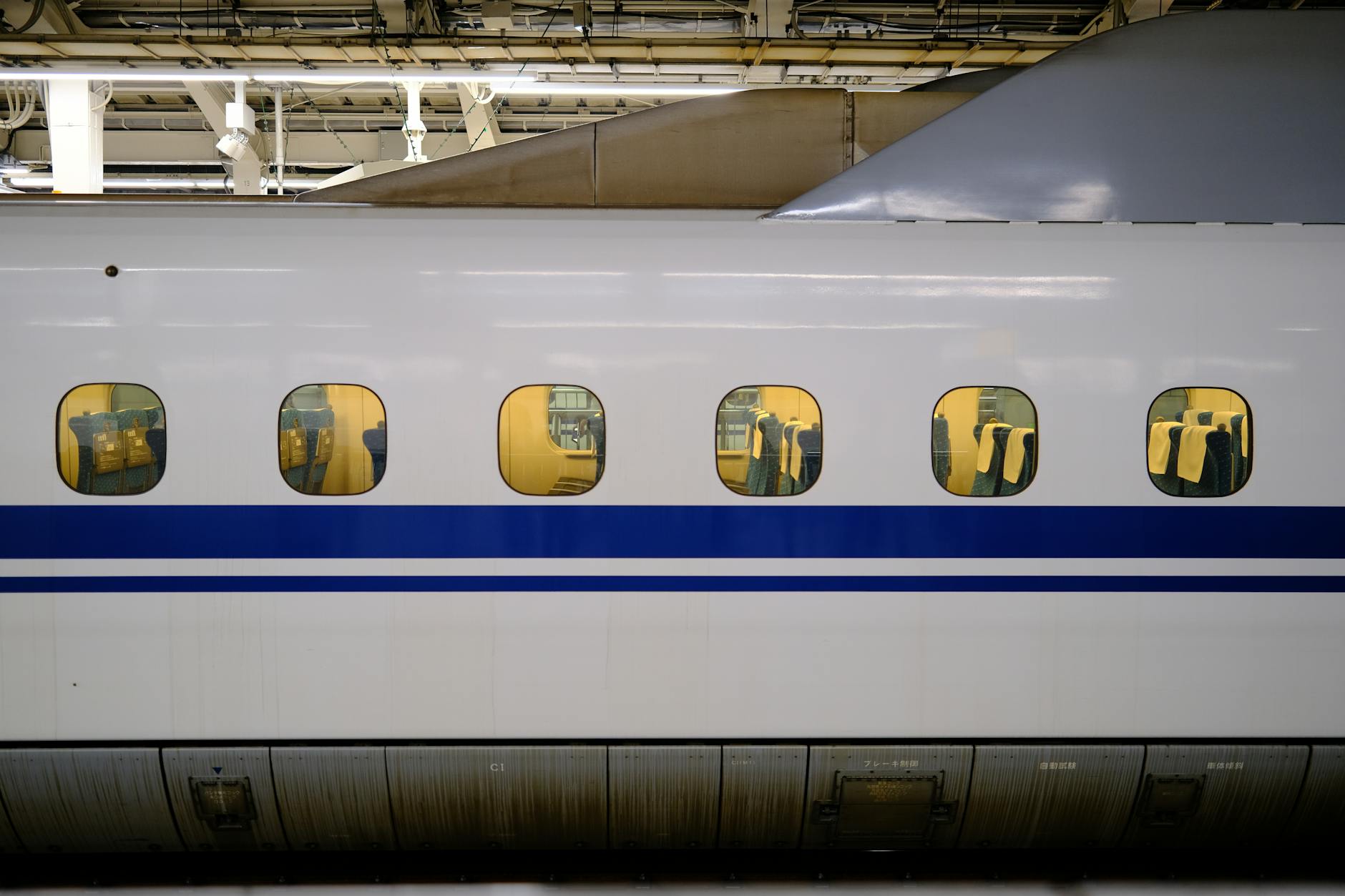
The Japan Rail Pass is arguably the single best travel purchase available to international visitors planning a multi-city trip through Japan. This special ticket allows unlimited travel on virtually all JR trains across the country, including the famous Shinkansen bullet trains, for a fixed price. However, using it effectively requires understanding how the system works, which trains qualify, and how to make the most of your investment.
What the JR Pass Covers
The JR Pass gives you unlimited rides on all trains operated by Japan Railways Group across the country. This includes the Tokaido Shinkansen between Tokyo and Osaka, the Sanyo Shinkansen continuing to Hiroshima and beyond, the Tohoku Shinkansen heading north to Sendai and Hakodate, and numerous limited express and local trains connecting cities and rural areas. The pass also covers JR buses on certain routes and even the Miyajima Ferry in Hiroshima Prefecture.
What Is Not Covered
The most important exclusion is the Nozomi and Mizuho categories of Shinkansen, which are the fastest services on the Tokaido and Sanyo lines. Pass holders must use the slightly slower Hikari or Kodama trains instead. In practice, the time difference is often just 15 to 30 minutes, making this a minor inconvenience. Tokyo’s subway lines operated by Tokyo Metro and Toei are not covered by the JR Pass, though JR lines running within Tokyo including the Yamanote Loop Line are fully included.
How to Purchase
The JR Pass must be purchased outside Japan from an authorized sales agent, either through a travel agency or an official online retailer. You receive a voucher that you exchange for the actual pass at a JR Exchange Office upon arriving in Japan. The main exchange offices are located at major airports including Narita, Haneda, Kansai International, and Chubu Centrair, as well as at major JR stations throughout the country. Bring your passport and the original voucher to complete the exchange.
Choosing the Right Duration
JR Passes are available in 7-day, 14-day, and 21-day durations. Choose based on your actual travel plans rather than the length of your stay in Japan, since the pass clock starts on the first day you activate it. If you plan to spend significant time in one city between Shinkansen journeys, calculate whether the pass saves money compared to buying individual tickets for each trip. A round trip from Tokyo to Kyoto alone on the Hikari Shinkansen costs more than a 7-day pass, making the math straightforward for anyone making that journey.
Making Seat Reservations
The JR Pass grants free seat reservations on most Shinkansen and limited express trains, which is a significant benefit during peak travel periods. Visit any JR ticket office and present your pass to reserve specific seats at no additional charge. Reserved seats are recommended for popular routes during Golden Week, Obon, and the year-end holidays when unreserved cars can become extremely crowded. For most other times, riding in the unreserved cars without advance reservations is perfectly fine and more flexible.
Practical Tips for Using the Pass
When entering a Shinkansen platform, look for the staffed gate rather than the automatic ticket barriers, since the pass does not work in automated gates. Show your pass to the station staff member who will wave you through. Keep your pass accessible throughout your journey as staff may check it during the ride. The pass includes your name, so only the person named on it can use it, and you will need to show your passport occasionally to confirm identity.
Regional and Green Car Passes
Beyond the nationwide JR Pass, JR offers regional passes covering specific parts of the country at lower prices. The JR East Pass covers the Tohoku and northern regions, the JR West Kansai Pass covers Osaka, Kyoto, and Hiroshima, and several others target specific travel areas. These regional options are worth considering if your itinerary focuses on one part of Japan. The standard JR Pass is also available in a Green Car version with first-class seating at higher cost for those who want extra comfort on long journeys.
Planning your itinerary before purchasing the pass will help you determine whether the investment makes financial sense for your specific trip. For anyone planning to travel between multiple cities including Tokyo, Kyoto, Hiroshima, and beyond within two weeks, the JR Pass almost always pays for itself within the first few Shinkansen rides.
Plan Your Japan Trip
Ready to visit Japan? Find and book hotels across Japan — from budget guesthouses to luxury ryokan.
