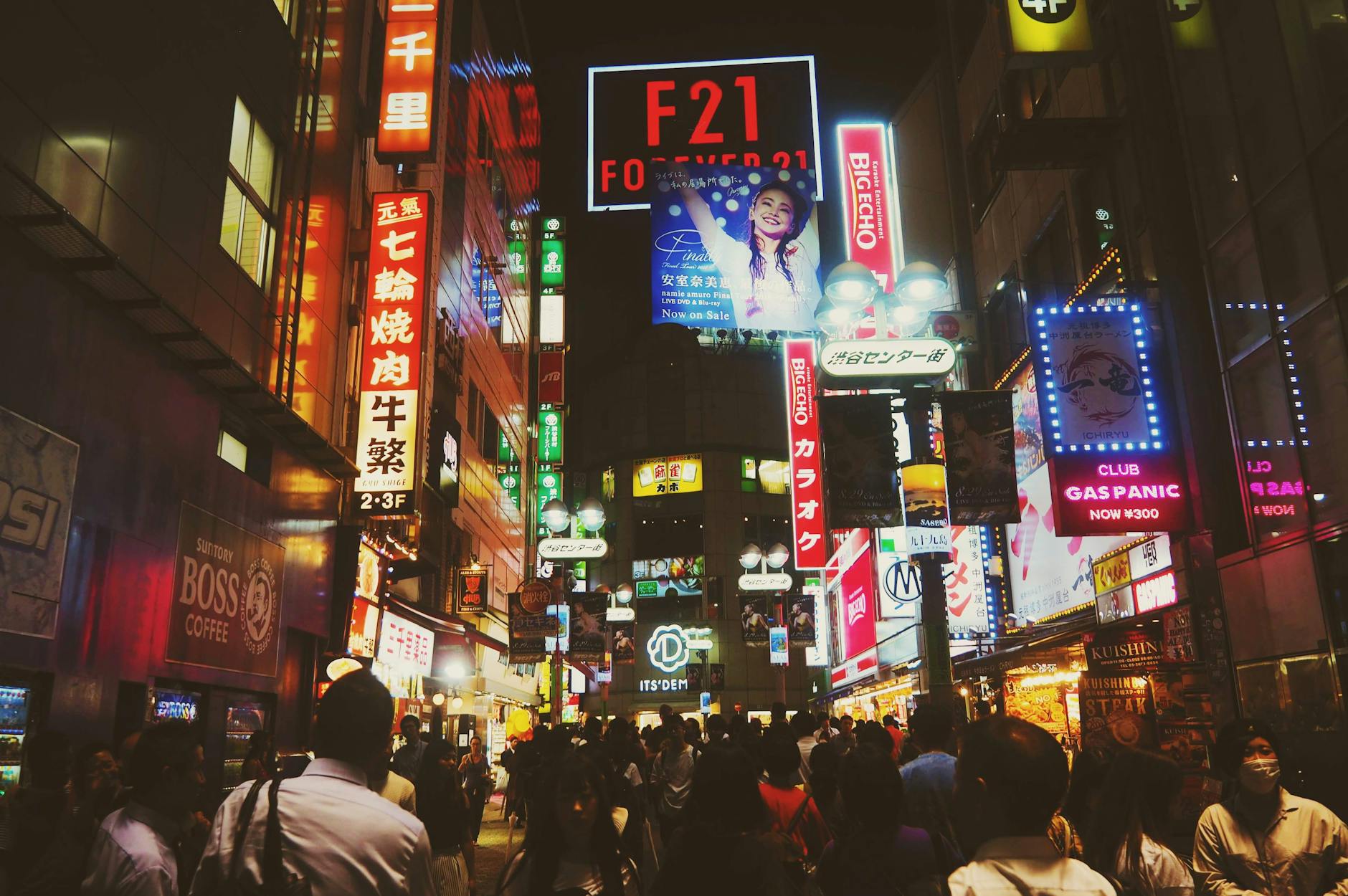
Tokyo is not one city but many cities layered on top of each other, each neighborhood carrying its own distinct personality, history, and atmosphere. Getting to know Tokyo properly means venturing beyond the famous landmarks and exploring the varied neighborhoods that give the city its soul. Here are ten neighborhoods that every visitor should make time to experience.
Asakusa – Old Tokyo at Its Best
Asakusa preserves the spirit of shitamachi, the traditional working-class downtown that defined Tokyo before the city transformed into a modern metropolis. The area surrounding Senso-ji Temple is packed with rickshaw pullers, traditional craft shops, and restaurants serving classic Tokyo dishes like tempura and eel rice. Walking east toward the Sumida River offers views of the Tokyo Skytree rising dramatically above the low-rise old town rooftops.
Shibuya – The Energy Center
Shibuya operates on a frequency unlike anywhere else in Tokyo. The scramble crossing, the department stores, the seemingly endless stream of young people moving through the streets at all hours — Shibuya is a city unto itself. Head to the observation floor of Shibuya Sky for the best views of the crossing from above, then descend into the basement bars of Nonbei Yokocho for a more intimate evening experience.
Shinjuku – Tokyo’s Busiest Hub
Shinjuku station processes over three million passengers daily, making it the busiest train station on the planet. The western side hosts towering skyscrapers and the free observation deck of the Tokyo Metropolitan Government Building. The eastern side leads to Kabukicho, one of Asia’s most famous entertainment districts, and the narrow alleys of Golden Gai where hundreds of tiny themed bars create a unique nightlife experience.
Shimokitazawa – Bohemian and Creative
Shimokitazawa feels like it belongs in a different city entirely. This bohemian neighborhood west of Shibuya is known for its vintage clothing shops, independent music venues, cozy coffee shops, and a generally laid-back atmosphere that provides welcome relief from Tokyo’s intensity. Come on a weekend afternoon to browse the thrift stores and catch live music performances at the small venues scattered throughout the area.
Yanaka – Preserved History
Yanaka escaped the bombing that destroyed much of Tokyo during World War II, and as a result retains the atmosphere of a traditional Japanese town. The Yanaka Ginza shopping street is lined with family-run specialty shops selling everything from freshly made rice crackers to hand-carved wooden items. The massive Yanaka Cemetery at the heart of the neighborhood is more pleasant than it sounds, serving as a peaceful park where locals stroll among tombstones dating back centuries.
Akihabara – Electronics and Anime
Akihabara evolved from a postwar black market for electronic components into the global headquarters of otaku culture. Today, multi-story electronics shops stand alongside anime merchandise stores, retro video game dealers, and themed cafes where servers dressed as maids welcome you with rehearsed enthusiasm. The visual spectacle alone justifies the visit even for those with no particular interest in the subcultures on display.
Harajuku – Fashion and Youth Culture
Takeshita Street in Harajuku is one of the most photographed streets in Japan, and the saturated colors of the fashion boutiques, crepe stands, and accessory shops justify every photo. The style on display ranges from sweet pastel lolita fashion to gothic punk ensembles, with everything in between represented. The nearby Meiji Shrine offers a complete contrast, sitting within a forested enclave that makes it hard to believe central Tokyo surrounds it on all sides.
Nakameguro – Elegant and Cool
Nakameguro’s Meguro River becomes one of Tokyo’s most photographed locations during cherry blossom season, when the trees lining the canal burst into pink bloom and thousands of people stroll beneath them. Year-round, the neighborhood’s independent boutiques, design-conscious restaurants, and carefully curated coffee shops attract a creative professional crowd that gives the area a distinctly cool yet welcoming atmosphere.
Ginza – Luxury and Refinement
Ginza is Tokyo’s answer to Fifth Avenue and the Champs-Elysees, hosting the Japanese flagship stores of virtually every major international luxury brand alongside homegrown department stores of extraordinary quality. On weekend afternoons, the main boulevard closes to cars and becomes a pedestrian promenade. The Tsukiji Outer Market nearby remains active even after the famous inner market moved to Toyosu, offering some of the best sushi breakfasts in the city.
Koenji – Subcultures and Vintage
Koenji sits along the Chuo Line west of Shinjuku and draws a crowd of musicians, artists, and vintage fashion enthusiasts who have made it their home. The streets around the station are packed with used clothing stores offering genuine vintage pieces at reasonable prices, alongside live houses hosting nightly performances across every genre imaginable. Koenji represents the alternative, underground side of Tokyo that exists far from the tourist brochures.
Each of these neighborhoods deserves at least a few hours of unhurried exploration. Resist the temptation to cover everything in a single day and instead commit fully to two or three neighborhoods per visit, allowing yourself to get pleasantly lost in the details that make each district unique.
Plan Your Japan Trip
Ready to visit Japan? Find and book hotels across Japan — from budget guesthouses to luxury ryokan.
