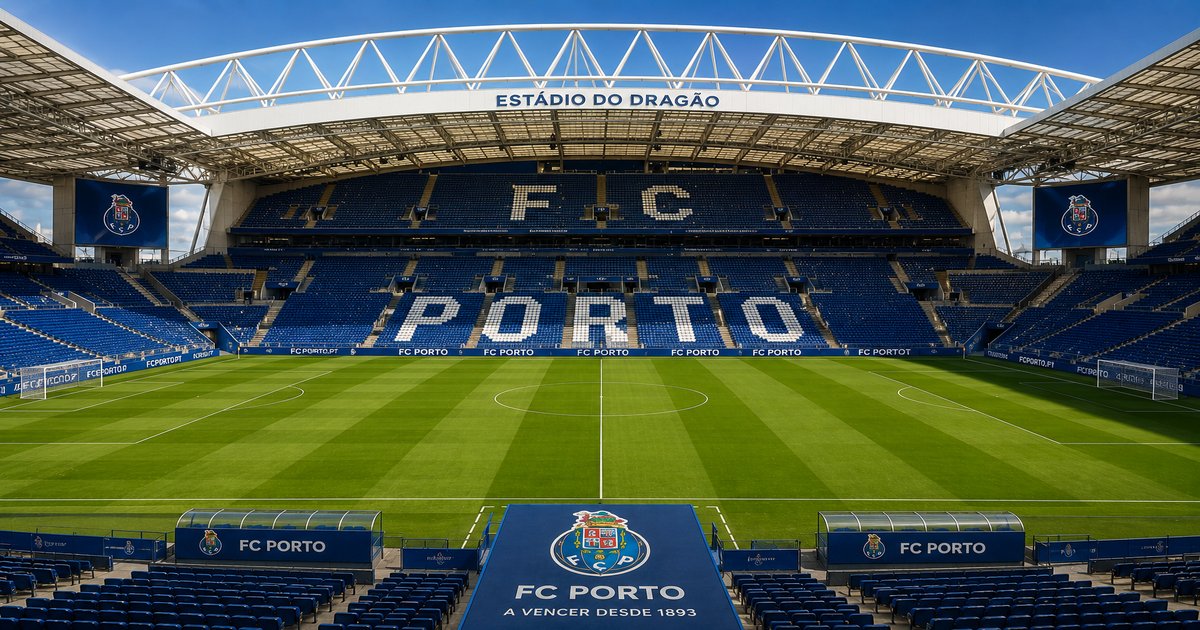
FC Porto are one of European football’s most consistent overachievers — two European Cup victories, including Jose Mourinho’s famous 2004 Champions League triumph, built on intelligent recruitment, outstanding coaching, and a fanatical supporter base. The Estadio do Dragao, opened in 2003 for Euro 2004, is a modern arena with a capacity of 50,033 set against the hills of Porto with views over the city to the Douro River.
Getting Tickets
Tickets are available through the official Porto website (fcporto.pt). Primeira Liga fixtures against Benfica and Sporting — the big three of Portuguese football — are the most competitive tickets. European fixtures and most domestic games are generally accessible. The club museum covers Porto’s impressive continental history.
Getting to the Stadium
The Estadio do Dragao is served by Estadio do Dragao metro station on Line E (violet line), a direct connection to Porto’s city centre at Aliados station in about 15 minutes. The metro is the easiest way to the stadium and runs late on match nights.
Match Day Experience
Porto’s Dragoes (Dragons) supporter sections create a passionate and colourful atmosphere with flags, choreography, and continuous singing. Portuguese football culture produces intense local derbies and fierce rivalry with the Lisbon clubs. The stadium’s hillside location means some seating areas have views beyond the stadium to the surrounding city — an unusual and beautiful setting.
Around Porto
Porto is one of Europe’s most beautiful cities — the UNESCO-listed Ribeira waterfront, the tiled Sao Bento station, the historic Livraria Lello bookshop, and the port wine lodges of Vila Nova de Gaia across the Douro River create an extraordinary city break. Port wine tasting and the city’s seafood-based food culture are essential experiences.
Best Time to Visit
The O Classico against Benfica — Portuguese football’s defining fixture — is the standout game of any Porto season. Champions League group stage matches in the autumn attract major European clubs to one of the continent’s most hospitable football cities.
